Knowledge check with explanations

Rodent & Pest Droppings Remediation quiz and study guide

Find out what you already understand, then read the parts you missed.

This quiz tests whether you know the difference between tidying up rodent mess and cleaning it up safely. It is for homeowners tackling a garage or shed, and for landlords answering tenant reports. It is also for property managers with empty houses. And it is for anyone who just opened an attic hatch and saw more droppings than they expected. The questions walk through real moments. There is an ammonia smell in a crawlspace. There is a nest in a stored car's air filter box. A contractor offers to blow new insulation over the old. A renter wonders who should fix mice in the attic. Many wrong answers are ones a sensible person would pick. That is because the dangers of dried rodent waste are hidden and surprising.

Get an email reply about rodent & pest droppings remediation

Send a short message and get an instant email confirmation. A coordinator then replies by email. This form does not send emergency help; call 911 first if anyone is in danger.

Tell us what you need help with. Share a short description; please leave out medical details, access codes, and other sensitive information.

A request does not confirm a booking. For immediate danger, contact local emergency services.

Or email info@rodentcleanup.online

Before or after the quiz, read the study guide below. It sums up the ideas the questions rely on. How do you spot a rodent problem and judge its size? Who is responsible in rented and shared buildings? How do you keep dirty dust out of living spaces? Why is disinfecting different from cleaning? Where do the bagged waste and soiled insulation go? What records prove the job was done? The guide does not train you to do the cleanup yourself. It gives no medical advice, other than to see a doctor right away after a possible exposure. It is meant to help you speak up as a customer, tenant, or owner. That goes for talks with a cleanup company, a pest pro, or a local office.

Rodent & Pest Droppings Remediation knowledge check

15 questions about real rodent & pest droppings remediation situations: staying safe, what happens, cost, choosing help and the rules. Every answer comes with a short explanation.

Why this quiz matters

Knowing these basics makes it easier to spot bad advice and ask a company the right questions. This quiz is educational — it does not certify anyone. After the quiz, review the explanations for questions you missed. For professional guidance on your specific situation, use the contact form at the top of the page for an email reply.

Progress1 / 15
SafetyQ1

You open a shed that was closed all winter and see mouse droppings on the floor. What should you do before starting to clean?

Study guide: the six ideas behind the questions

Read these before or after the quiz. They cover the concepts every question draws on, written for rodent & pest droppings remediation specifically.

1Recognizing an infestation and judging its extent

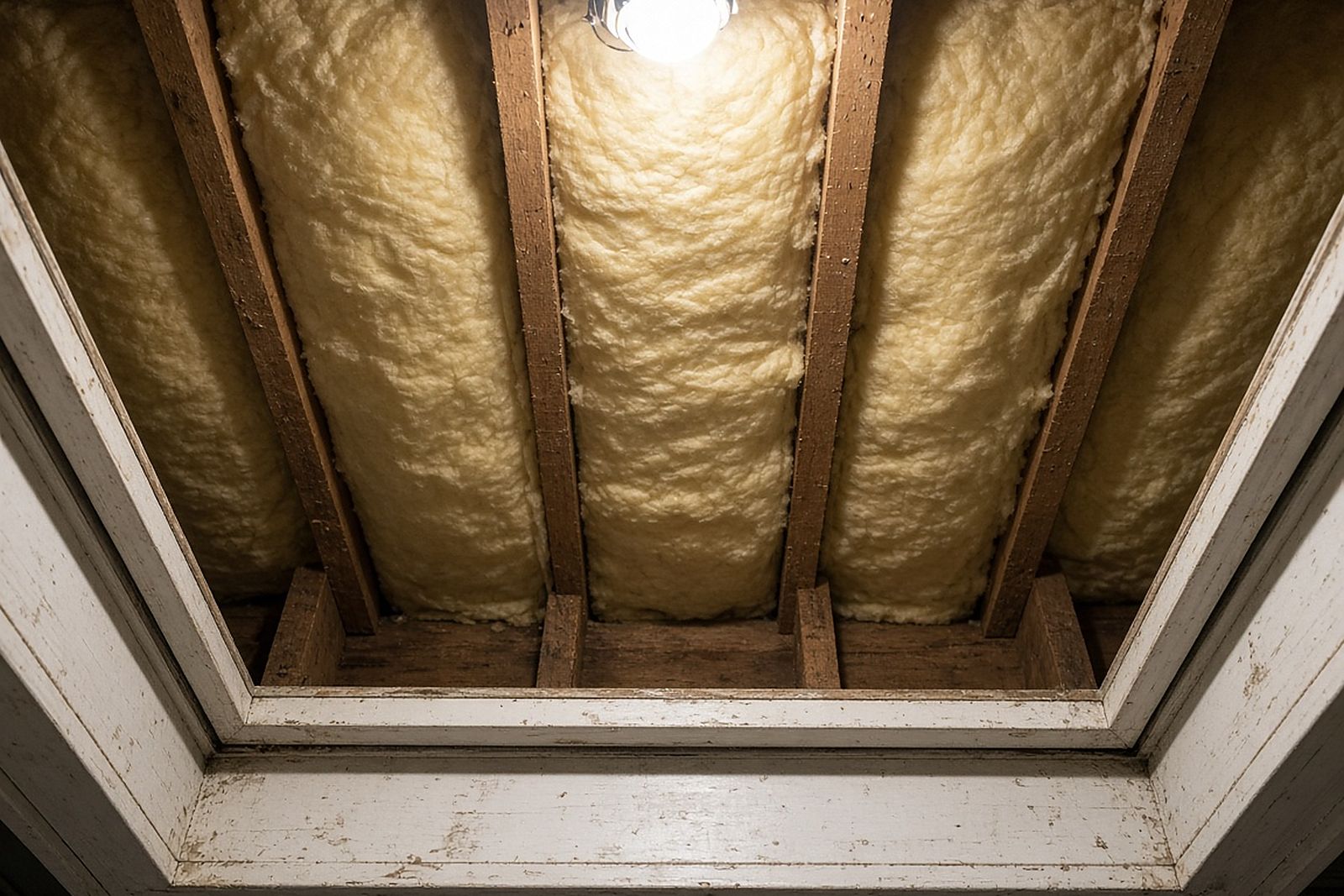
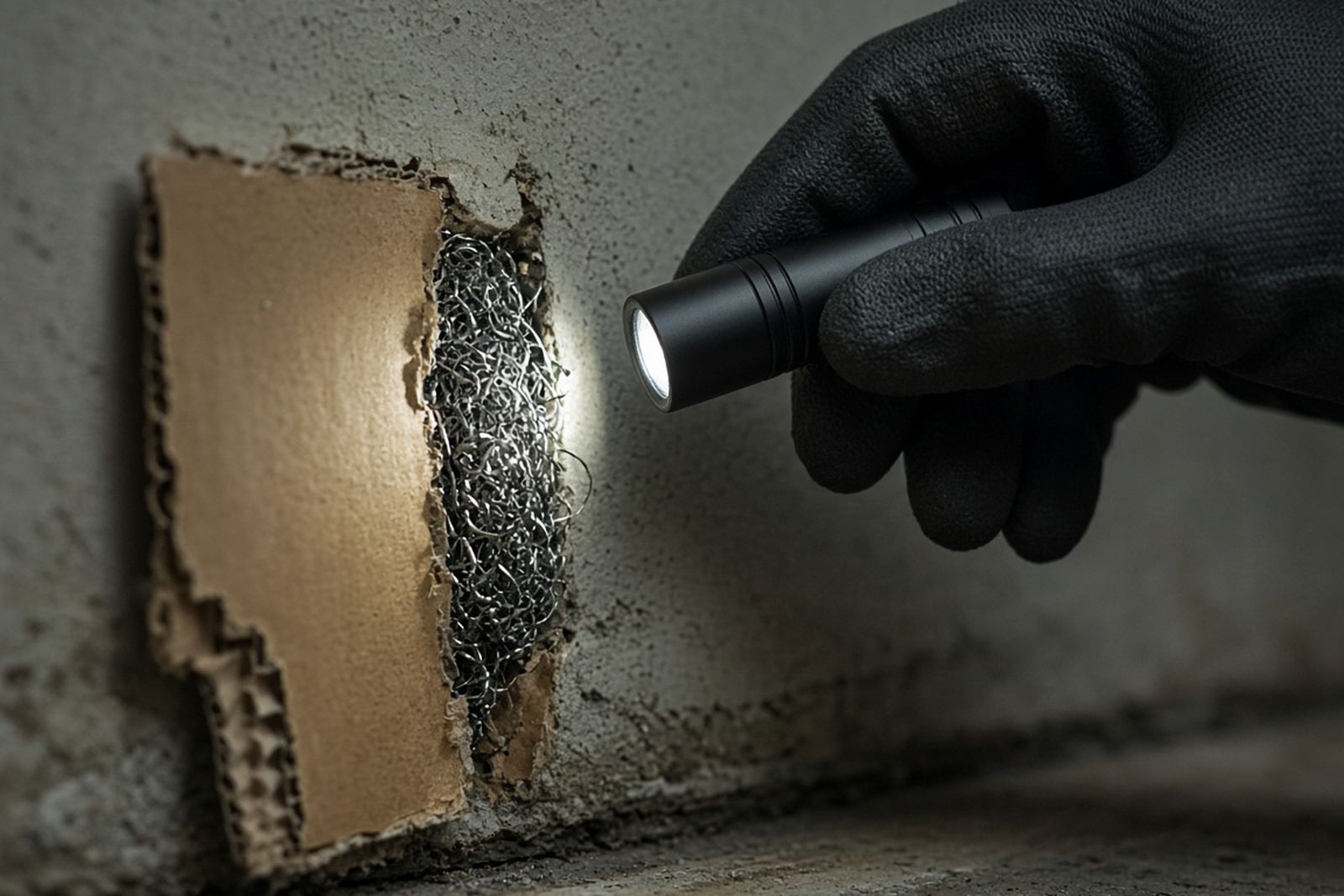
Droppings are the obvious sign, but how far the mess spreads is what matters. Look for greasy rub marks along baseboards and beams where fur has brushed. Look for chewed edges on stored boxes and wires. Look for shredded paper or insulation piled into nests. A strong ammonia smell that lingers means urine has soaked into soft materials. In attics, use a tool and a light to pull back a small patch of insulation. See if the mess is only on top or all the way through. In crawlspaces, check the plastic ground cover and the air ducts. In cars, check the air filter box and under the seats. A few pellets on a concrete floor is a very different problem from insulation soaked with months of urine. Be honest about which one you have, since it drives every choice after.

2Who is responsible in rentals, shared buildings, and sales

In a rental, the landlord is usually responsible for keeping the home livable and free of pests. But a tenant whose own habits invite rodents may share the blame under the lease. In condos and townhouses, attics and crawlspaces are often shared spaces. So the owners' association may handle the structure while each owner handles the inside of their unit. During a sale, disclosure duties and inspection findings decide who pays for a mess found before closing. Employers whose workers may disturb rodent waste must give them training and safety gear. Housing codes, association papers, and disclosure rules vary by state and county. So read your lease or association papers and check with the local office instead of guessing.

3Keeping contaminated dust out of the living space

Walling off the work area is all about the air. Seal the attic hatch or crawlspace door with plastic sheeting and a zipper or flap. That keeps stirred-up dust from drifting into halls and bedrooms. If the heating and cooling system pulls air from that space, turn it off and cover the vents until the work is done. Workers should wet droppings and nests before moving them. They should never sweep, blow, or dry-vacuum. They should carry sealed bags on a path that avoids clean rooms. People with asthma or other lung problems, young kids, and older adults should stay elsewhere during the dusty work. Air cleaners may run inside the work area to catch what wetting misses. None of this is fancy. It is simply the habit of treating dust as the danger.

4Cleaning versus disinfecting after the waste is gone

Removing droppings and nests is cleaning. It means lifting the dirt off a surface, using wet material, gloved hands, and filtered vacuums. Disinfecting comes next, and it only works on surfaces that are already clean. You use a disinfectant registered for the job. That could be one on EPA List N, or a product whose label fits the germ of concern. You leave it wet for as long as the label says before you wipe or let it dry. Spraying disinfectant on a pile of droppings and calling it done leaves the pile in place. Soft materials soaked with urine cannot be reliably disinfected. That includes insulation, cardboard, mattresses, and fabric, and they are usually thrown out. Hard wood beams, roof boards, concrete, and metal can be cleaned and treated in place.

5Where the bagged waste and soiled insulation go

Rodent droppings, nests, soiled insulation, and dirty household items are usually treated as regular trash. First they are wetted, double-bagged, and sealed. Then they can go to a landfill the normal way or into a dumpster rented for the job. They are not usually regulated medical waste, since that group is built around human blood and clinic materials. There can be exceptions. These include many dead animals, pesticide or bait left in the mix, or a building with its own rules. Bat and bird droppings are handled much the same way in most places. But the amount and location can trigger local rules. Waste rules vary by state and county, so check with the local office. Ask any cleanup company to explain where the waste goes in their written plan.

6Documenting the work and verifying the space is clean

If you cannot prove a cleanup happened, it is hard to sell the house or answer a tenant. It is also hard to ask anyone to pay you back. Take photos of the mess before work starts. Show how deep the droppings go in the insulation and any nests. Ask the company for a written plan. It should name each area, say whether it was cleaned in place or removed, and name the disinfectant used. After the work, ask for photos of the cleared space before new insulation goes in. Also ask for a note on how the gaps were sealed with a pest pro. Checking the result is done by eye. Look for no droppings or nests, no urine stains on treated surfaces, and no new signs of rodents after a waiting period. Keep it all in a home file, with the pest and insulation bills kept apart.
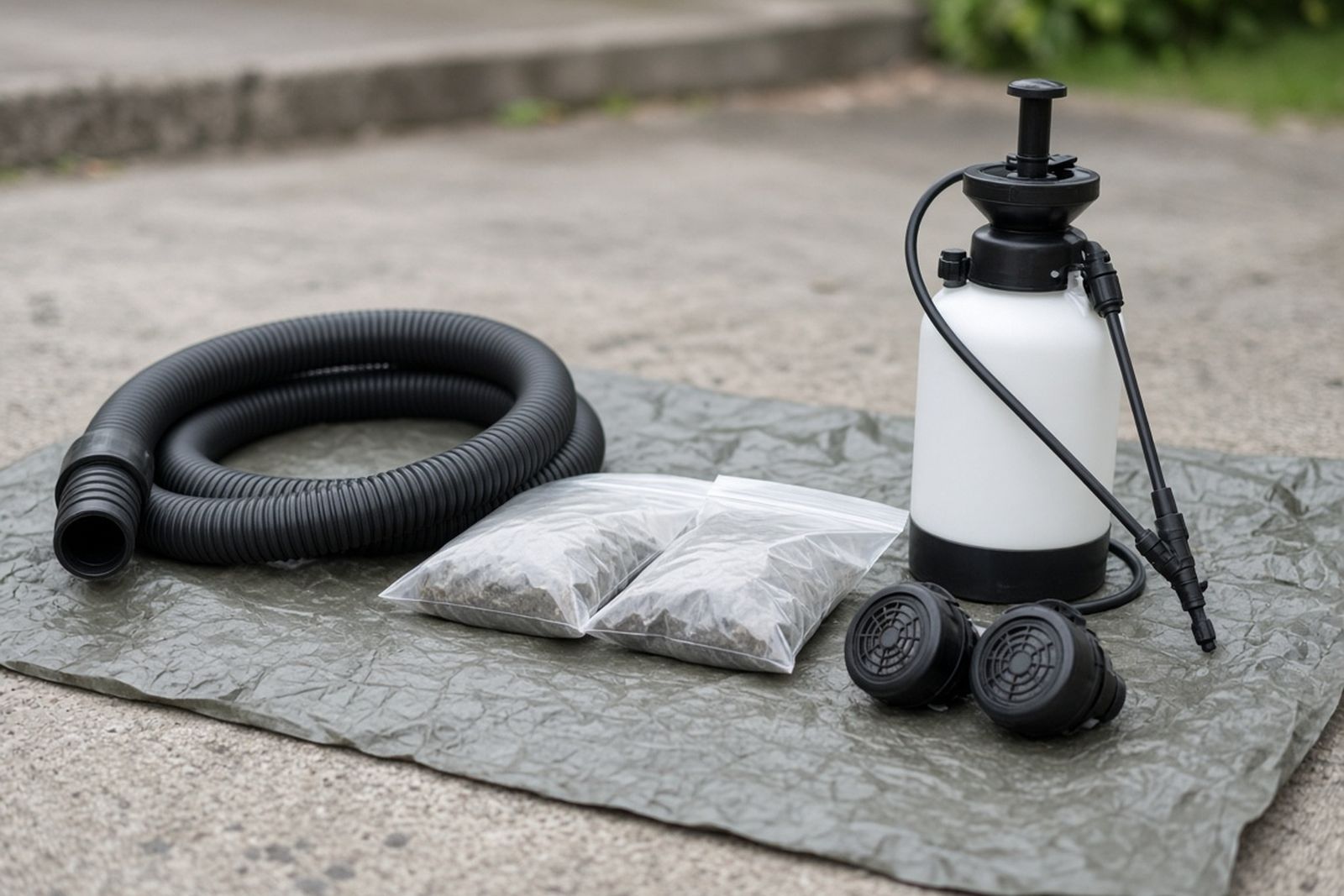
Vacuum hose, sealed bags, a pump sprayer and respirator cartridges on a tarp
Illustrative photo, not a job record. Vacuum hose, sealed bags, a pump sprayer and respirator cartridges on a tarp.

Rodent & Pest Droppings Remediation facts the quiz draws on

35%

About 35 percent of hantavirus infections reported to CDC in the United States since 1993 resulted in death.

Read with care: CDC's About Hantavirus page cites 38 percent for people who develop respiratory symptoms, so the figure varies with the denominator used.

Source: CDC (2024)United States, all reported hantavirus disease cases 1993 through 2023

$13.416 billion

U.S. structural pest control companies generated $13.416 billion in service revenue in 2025, up 6 percent from $12.654 billion in 2024, according to NPMA's industry survey.

Read with care: Covers all structural pest control, not rodent cleanup specifically, and relies on a trade-association survey.

Source: National Pest Management Association (2026)United States structural pest control service revenue, calendar 2025, survey of 800 company leaders

30 minutes

CDC advises opening doors and windows and leaving the area for 30 minutes to ventilate a home or outbuilding before cleaning up rodent droppings.

Read with care: Guidance is for typical households; heavy infestations and disease-confirmed sites call for additional precautions.

Source: CDC (2024)United States public-health guidance for homes, garages, and outbuildings

82%

A national survey of 831 U.S. homes found detectable mouse urinary protein allergen in 82 percent, and elevated levels nearly doubled asthma risk among allergic residents.

Read with care: Detectable allergen does not mean an active infestation; the survey data were collected in 1998-1999.

Source: Environmental Health Perspectives (NIEHS) (2009)United States, National Survey of Lead and Allergens in Housing, 831 homes in 75 locations

These figures are public research and agency data, not this network's own job records. Keep each number with its population, year and limits; none of them predicts cost, timing or outcome at a specific property.

Questions about the rodent & pest droppings remediation quiz

Will passing the quiz prepare me to clean my own attic?

It will help you decide whether you should. The quiz covers spotting the danger, walling off the area, method, disposal, and records. That helps you size up a situation and judge a cleanup company. It does not replace training in breathing protection. It also does not give you the gear a heavy attic job needs. After the quiz, use the DIY Risk Check to see where your own case falls.

What do most people get wrong on the quiz?

The most missed idea is this. Spraying disinfectant on dry droppings does not make them safe to sweep. Wetting is about keeping dust down, and removal must still follow. The second is order. Many people think cleanup comes first and sealing gaps comes later. The reverse keeps you from paying twice. A third is thinking new insulation blown over old waste is fine. It is not a real cleanup.

Does the quiz address bats and birds or only rodents?

One question covers bats in the attic. The dust danger and the wet method are much the same for bat and bird droppings, and large guano piles can grow a fungus that harms the lungs. Bat colonies and pigeon roosts also often show up alongside rodent problems. The quiz notes that many bats are protected and that keeping them out may be limited to certain seasons. Rules vary by state, so check with your state wildlife agency rather than guess.

I rent. Which parts of the quiz apply to me?

The parts on who is responsible, walling off the area, and records matter most. You will learn what to report and what to photograph. You will learn why to ask the landlord about the attic, not just traps. You will also learn when it is fair to ask to stay elsewhere during dusty work. The method questions help you tell whether the company your landlord hires is doing the job right.

Can I use the quiz with my maintenance staff?

Yes, as a way to raise awareness. It drives home the rule of no sweeping and no dry vacuuming. It also teaches staff to report heavy messes instead of grabbing a broom. Staff whose work will actually disturb rodent waste need more. They need training from their employer, breathing protection, and a written procedure. A quiz gives none of those. Pair it with a clear plan for when to call in a cleanup company.

What if a quiz answer conflicts with what my pest control company told me?

Ask them to explain. Pest pros focus on trapping and sealing gaps. Some do not offer, or fully understand, cleanup of the waste left behind. Say they suggest sweeping or vacuuming droppings without wetting them first. Or say they suggest blowing new insulation over soiled material. Both go against public health advice. Local rules on disposal and handling wildlife can vary, so check those points with the local office.

Does the quiz cover what to do if someone feels ill after cleaning droppings?

Only briefly. The right answer is to see a doctor right away. Tell them about the rodent contact, including where and how the cleanup happened. The quiz does not go into symptoms or treatment, because those are medical choices. Its goal is to make sure no one brushes off a flu-like illness after an attic cleanup as unrelated.

What other visitors think

Poll results

Every count is a real visitor vote; nothing is seeded or padded. One vote per poll per device, and you can change your answer.

Your experience

If you found droppings across your attic insulation, what would you most likely do?

No visitor votes yet
Safety

How well do you understand the hantavirus risk from rodent droppings?

No visitor votes yet