Short answer
Rodent droppings and the cleanup that follows often bring disgust, embarrassment, lost sleep, health worries, and disruption to daily routines. You can ease the strain by remembering how common rodents are, planning the work so living spaces stay usable, communicating clearly with family or tenants, sorting real risks from imagined ones with reliable guidance, and focusing on exclusion so the problem does not return.
Why does a rodent problem feel so personal?
Finding droppings in your kitchen drawer or hearing scratching above the bedroom ceiling can shake your sense of home in a way that is hard to explain. A house is supposed to be the place where you control what comes in. Rodents break that feeling quietly, often at night, and usually in spaces you cannot easily see.
Many people describe a mix of reactions: disgust, anxiety about germs, frustration at the cost, and a nagging sense of being watched by something they cannot find. Some start throwing away food they are not sure about, or avoid rooms where they saw evidence.
All of that is a normal response to an unwelcome intrusion. Recognizing it as normal is the first step toward managing it, because it lets you focus on a plan instead of on the feeling that something is wrong with you or your home.
The cost can add its own weight. Pest control, cleanup, insulation, and repairs are rarely planned expenses, and money worries tend to amplify every other feeling. Asking for a written, itemized estimate and a clear sequence of work often helps, because it turns an open-ended fear into a defined set of decisions.
Embarrassment, and how common rodents really are
Shame is one of the most common and least helpful reactions. People worry that rodents mean they are dirty, careless, or failing at keeping house. That belief keeps many from asking for help early, when the problem is smaller and easier to fix.
The reality is that rodents are widespread and do not choose homes based on how tidy they are. In the 2019 American Housing Survey, residents of about 14.8 million US housing units, or 11.9 percent of occupied homes, reported seeing rodents in the previous 12 months, according to a 2021 Census Bureau report. A 2023 Harris Poll for the National Pest Management Association found that 27 percent of US adults said they had found a rodent in their home in the past year.
Mice and rats look for warmth, shelter, and food, and they can slip through small gaps around pipes, vents, and foundations. Older homes, homes near fields or woods, and buildings with shared walls are all common targets. Having rodents says more about construction and location than about you.
How do you handle health worries without spiraling?
Once you start reading about rodent-borne illnesses, it is easy to go from mild concern to real fear. It helps to sort what is worth acting on from what is unlikely.
The practical steps that reduce risk are well established: do not sweep or vacuum droppings dry, keep children and pets away from contaminated areas, store food in sealed containers, and let a trained crew handle heavy contamination. If you or a family member develops fever, muscle aches, or trouble breathing after rodent exposure, tell a healthcare provider about the rodents so they can consider the right tests.
Beyond those steps, give yourself permission to stop searching. Reading one more article at midnight rarely adds anything useful. A short conversation with your doctor, especially if someone in the home has asthma, a weakened immune system, or is pregnant, is a far better use of worry.
It can also help to decide in advance which sources you will trust. Public health agencies and your own clinician give measured guidance. Forums and dramatic videos tend to feature worst cases, which are memorable precisely because they are rare.
Lost sleep and the nighttime noises
Rodents are most active at night, which is exactly when you are trying to rest. Scratching in the walls, skittering overhead, or a sudden rustle in the kitchen can keep you awake or wake you repeatedly. Over days and weeks, poor sleep makes everything else feel harder, from work to patience with your family.
While you wait for pest control and cleanup, a few adjustments can help. Some people use a fan or white-noise machine to mask sounds. Others temporarily sleep in a room farther from the activity. Keeping bedroom doors closed and food out of bedrooms reduces the chance of encounters.
Most importantly, remind yourself that the noise is temporary. Once rodents are removed and entry points are sealed, the nighttime sounds usually stop, and sleep tends to improve quickly.
How can you reduce disruption while the cleanup happens?
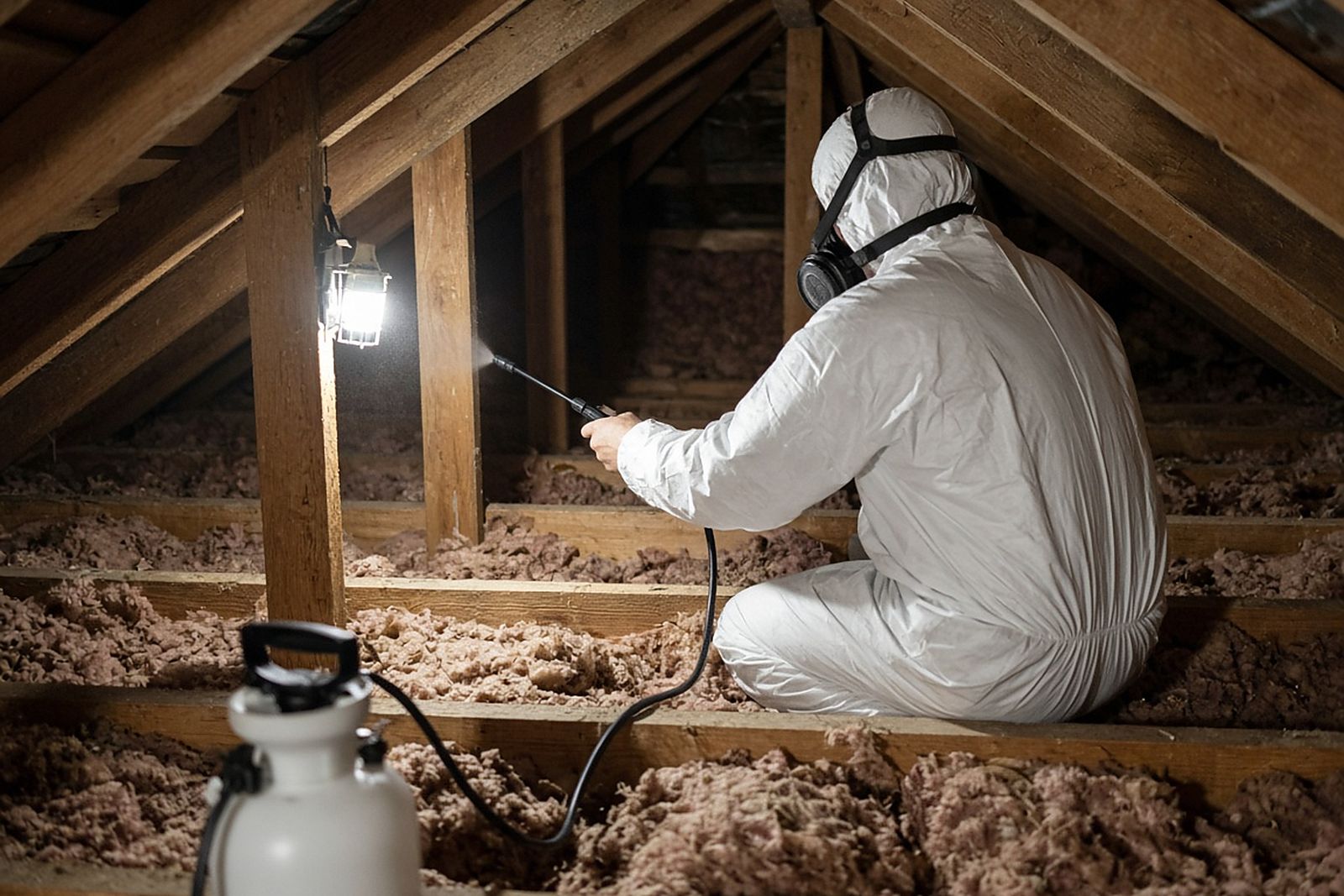
Professional remediation can involve crews in the attic or crawlspace for a day or more, bags of insulation leaving the house, and areas sealed off with plastic. That disruption adds its own stress on top of the rodent problem itself.
Planning ahead makes a big difference. Ask the provider for a clear schedule, which areas will be off limits, and whether you need to be home. Arrange for young children, anyone with breathing problems, and pets to be elsewhere during the dustiest parts of the work if possible.
- Ask which rooms will be affected and for how long.
- Clear a path from the entry door to the attic hatch or crawlspace access.
- Move valuables and bedding away from work zones.
- Plan meals and bedtime routines around any off-limits kitchen or bedroom areas.
- Confirm how the crew will protect floors and keep dust contained.
- Agree on a daily check-in so you know what is finished and what is next.
Landlords and tenants
Rental situations add another layer. Tenants may feel ignored or unsafe, while landlords may feel blamed for something they did not cause. Tension builds quickly when nobody is sure who is responsible or how fast the problem will be handled.
Clear communication eases most of it. Landlords can acknowledge the report quickly, explain the steps planned, share the schedule for pest control and cleanup, and follow up after the work. Tenants can report activity promptly with photos and dates, keep food sealed, and give access for inspections.
Responsibilities differ by location, and your city or county housing office, or a local tenant rights group, can tell you what applies to pest problems where you live. Knowing the rules early keeps the conversation focused on solving the problem rather than arguing about it.
For tenants, it is also worth keeping a simple written record of every report you make and every response you receive. The goal is not to build a case against anyone. It is to reduce the stress of trying to remember who said what, and to make follow-up conversations calmer and more specific.
A retired couple and a crawlspace
Consider one illustrative household, a composite rather than a real one. A retired couple notices a musty odor and finds droppings in a lower kitchen cabinet. A pest control technician confirms mice in the crawlspace and recommends cleanup of the contaminated insulation before sealing. One spouse has a chronic lung condition and becomes anxious about breathing the air.
In this scenario, the couple asks the cleanup company to schedule the heaviest work for a weekend when they can stay with their daughter. The crew explains how it will seal the crawlspace access, wet and remove the droppings and nests, and bag insulation before carrying it out a side door rather than through the house.
The couple returns to a clean crawlspace, sealed vents, and a short report with photos. The spouse with the lung condition calls the doctor with a few questions and feels reassured. The scratching sounds stop within a week, and the house starts to feel like theirs again.
How do you rebuild confidence once the job is done?
Even after a thorough cleanup, some people keep checking cabinets and listening for sounds. That hypervigilance is normal for a while. It usually fades as days pass without new signs.
A few habits can speed that process. Walk through the home with the provider's report and look at the sealed entry points yourself. Set a reminder to check traps or monitoring stations if the pest control company left any. Keep food in sealed containers for a few months and notice how quickly evidence would show up if activity returned.
If you do find new droppings, treat it as information rather than failure. Call the pest control company, share the location, and ask whether a new entry point has opened. Many exclusion jobs need a small follow-up as the house settles or weather changes.
When should you seek extra support?
Most stress around rodents eases once the problem is solved. For some people, though, the anxiety lingers, especially those who already live with anxiety, obsessive worries about contamination, or past trauma tied to their home.
If you find yourself unable to use parts of your house, cleaning compulsively, or losing sleep long after the rodents are gone, it may help to talk with a primary care provider or counselor. Short-term support can make a real difference.
Remember that you took the right steps. You noticed the problem, called for help, and made your home safer for everyone who lives in it. That is worth acknowledging, even while the memory of the scratching in the walls takes a little longer to fade.