Short answer
Rodent droppings cleanup has changed from a simple sweeping chore into a structured practice. Recognition of hantavirus in the United States, research on mouse allergens and asthma, and a shift from poison-only pest control toward exclusion all reshaped the work. Modern crews wet and disinfect before removal, wear HEPA-filtered respirators for heavy contamination, remove soiled insulation, and seal entry points.
How did people deal with rodent droppings in the past?
For generations, cleaning up after mice and rats was simply a household or farm chore. Someone grabbed a broom, swept the droppings into a dustpan, and tossed them outside or into the stove. Barns, cellars, and pantries were cleared this way every spring and fall, and few people thought twice about the dust that rose while they worked.
Rodents were understood as destructive and dirty. They chewed stored grain, gnawed wiring once homes had electricity, and fouled food. Their association with disease was part of common knowledge, but the specific ways that droppings and urine could affect health were not widely discussed outside medical and public health circles.
Pest control focused almost entirely on killing the animals. Traps, cats, and poison baits were the main tools. Once the rodents were gone, cleanup was an afterthought.
That approach made sense to people at the time, given what they knew. It is worth remembering when an older relative insists a broom is all you need: the advice was once standard, and it changed because evidence changed.
Two turning points: hantavirus and allergens
The biggest turning point came when a cluster of severe respiratory illnesses in the American Southwest was linked to a hantavirus carried by deer mice. That discovery showed that a virus shed in rodent urine, droppings, and saliva could become airborne when contaminated material was disturbed, and that it could cause life-threatening illness.
Public health agencies began tracking cases closely. From the start of national surveillance in 1993 through the end of 2023, CDC counted 890 laboratory-confirmed hantavirus disease cases in the United States. The number of cases is modest, but the severity of the disease changed how experts viewed a task that had once seemed harmless.
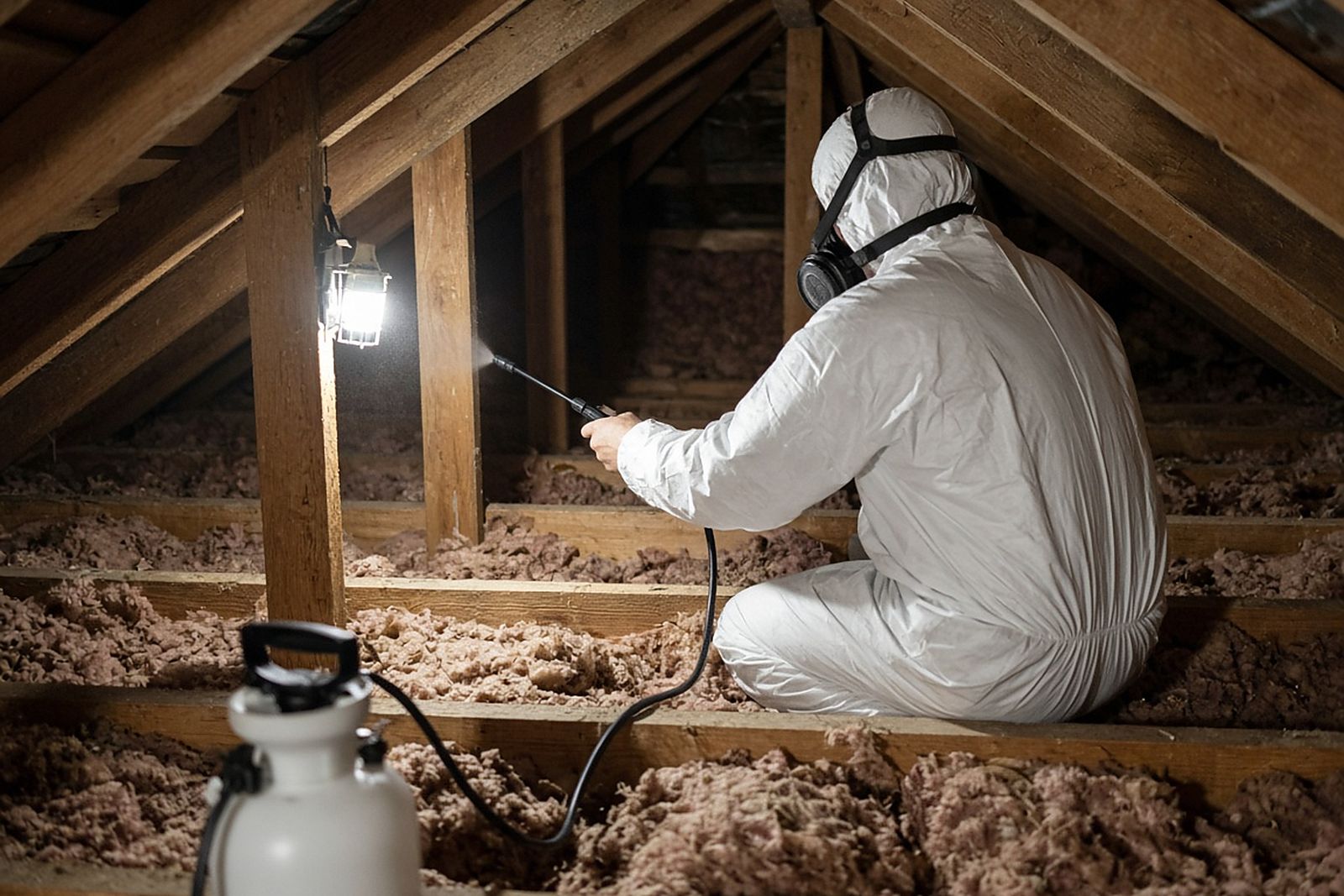
Guidance soon followed. Instead of sweeping, people were told to ventilate enclosed spaces, wet droppings and nests with disinfectant, wait for the product to work, and then remove the material with paper towels or rags while wearing gloves. That simple sequence became the foundation of modern rodent cleanup.
While hantavirus drew attention to rare but serious illness, a second line of research highlighted a much more common concern. Studies of indoor allergens found that proteins in mouse urine could trigger allergic reactions and worsen asthma, especially in children living in urban housing.
A national survey published by Cohn and colleagues in 2004 estimated that mouse allergen was detectable in 82% of US homes. Findings like that reframed rodent cleanup as a matter of everyday indoor air quality, not just an emergency response to heavy infestations.
As a result, remediation began to emphasize thoroughness. Removing visible droppings was no longer enough. Crews started paying attention to nesting material, soiled insulation, and hidden areas under cabinets and appliances where allergens could accumulate over time.
Why did pest control move from poison toward exclusion?
Relying on poison alone had drawbacks that became harder to ignore. Rodents that eat bait can die inside walls, creating odor and attracting insects. Baits can harm pets and wildlife. And killing the current population does nothing to stop the next group from moving in through the same gaps.
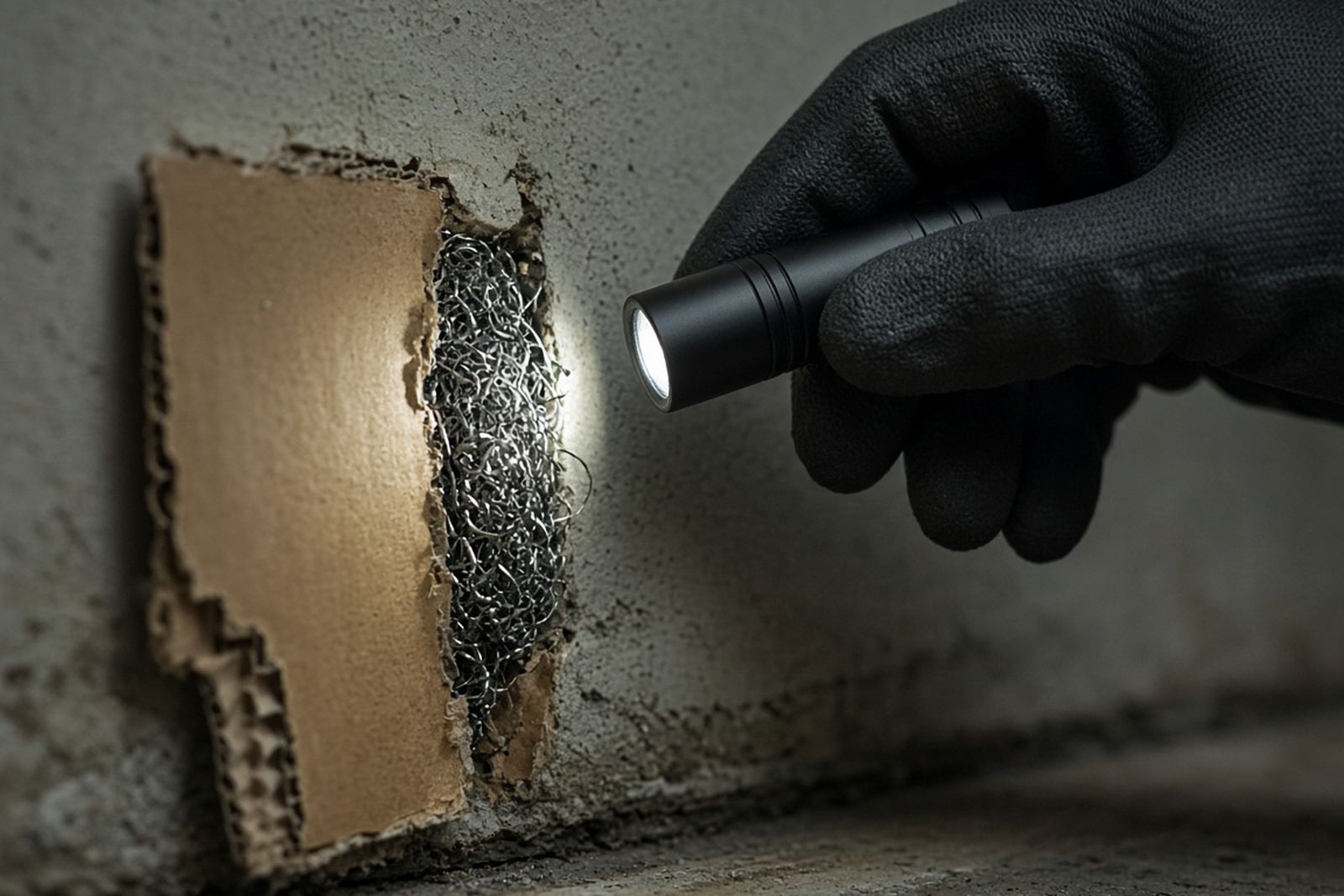
The pest management industry gradually adopted integrated approaches that combine inspection, sanitation, trapping, targeted baiting where appropriate, and exclusion. Exclusion means physically sealing the openings rodents use, with materials such as steel mesh, hardware cloth, flashing, and durable sealants.
That shift connected pest control and cleanup more tightly. Once entry points are sealed, the contamination left behind becomes a clear, finite job. Cleaning before exclusion, by contrast, often meant cleaning the same attic again a season later.
Better protective equipment and methods
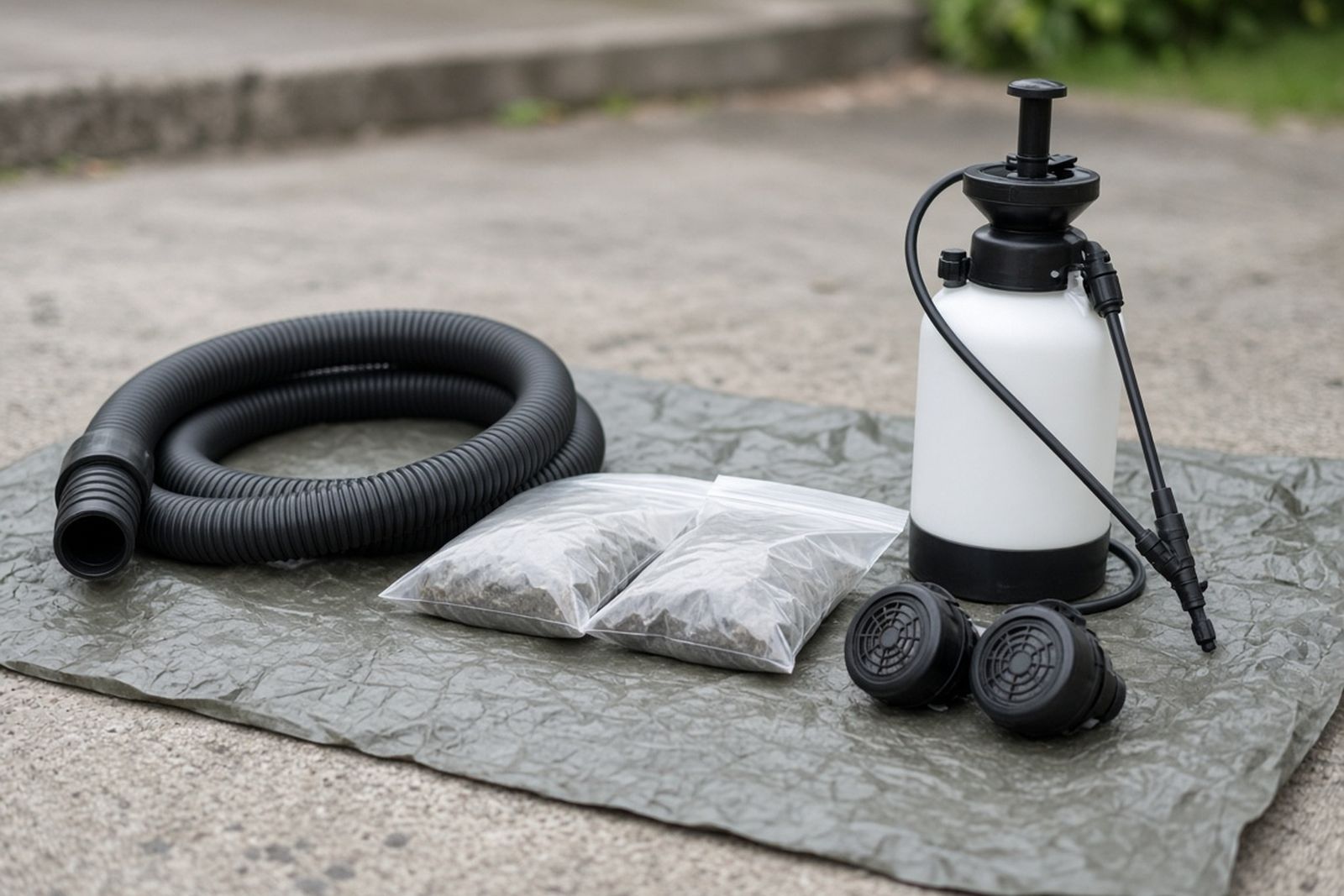
Early guidance for homeowners focused on gloves and basic ventilation. As specialty contractors took on larger jobs in attics, crawlspaces, and commercial buildings, protective equipment expanded. Heavy contamination now calls for HEPA-filtered respirators, coveralls, boots, goggles, and gloves, along with procedures for putting them on and removing them safely.
Methods matured as well. Containment with plastic sheeting keeps dust from reaching living areas. HEPA-filtered vacuums are used in some professional workflows, but only after material has been wetted and the area controlled, never as a replacement for the wet method. Contaminated insulation is bagged in place instead of being dragged through a home.
Disinfectant selection became more precise too. Instead of generic cleaners, professionals use EPA-registered products with defined contact times, and many record the product used for the client's file.
- Ventilation before entering closed spaces.
- Wetting droppings and nests with disinfectant before removal.
- Containment barriers between work zones and living spaces.
- Respiratory protection matched to the level of contamination.
- Bagging insulation and debris at the source.
- Documented disinfectant use and contact time.
How has the industry itself grown and changed?
Rodent work now sits within a large and growing pest management industry. The National Pest Management Association reported that US structural pest control companies generated $13.416 billion in service revenue in 2025, up 6 percent from $12.654 billion in 2024. Rodent control is one part of that total, but its growth has encouraged more companies to offer cleanup and exclusion alongside trapping.
At the same time, a separate group of biohazard and restoration contractors began offering rodent remediation as a specialty service, especially for heavy contamination and commercial properties. Some partner with pest control firms, while others employ licensed applicators themselves.
This mix of providers gives property owners more choice, but it also means standards vary, so it is worth asking any provider which licenses it holds for trapping, pesticide use, and insulation work.
How did the attic and crawlspace become the focus?
Older rodent cleanup centered on places people could see: kitchens, pantries, cellars, and barns. As homes gained blown-in and batt insulation, ducted heating and cooling, and sealed crawlspaces, the most heavily contaminated areas moved out of sight.
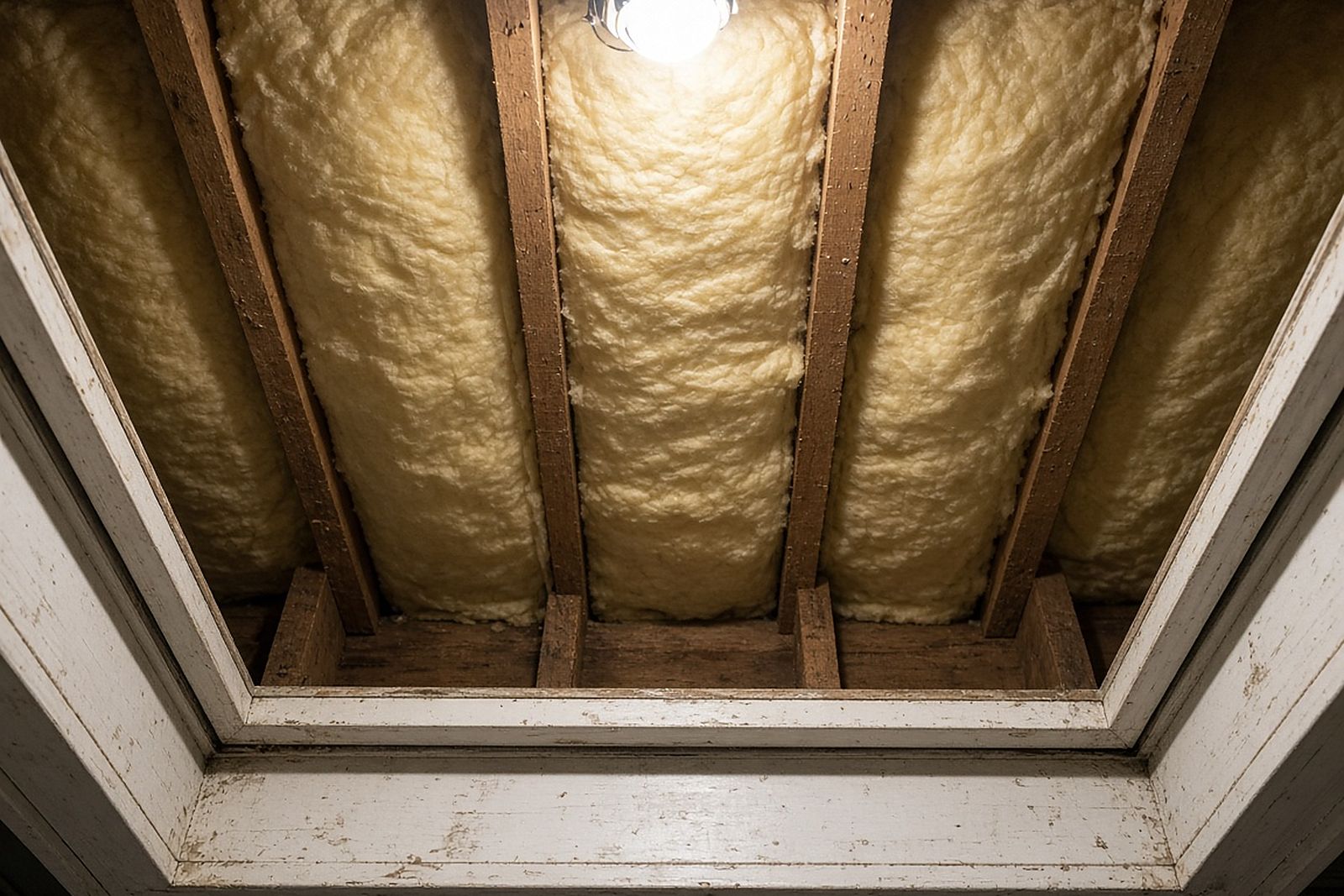
Insulation turned out to be ideal rodent habitat. It is warm, soft, and easy to tunnel through, and it absorbs urine and holds droppings in a way bare boards never did. Mice and rats can live in an attic for years before anyone notices anything more than a faint odor or occasional sounds.
That changed the scale of remediation. A modern job may involve bagging large volumes of soiled insulation, cleaning and disinfecting joists and sheathing, checking ductwork for damage or nesting, and then reinsulating. It also introduced new considerations, such as heat stress for crews in summer attics, fall hazards between ceiling joists, and the need to keep dust from being drawn into the home through ceiling fixtures or return vents.
Crawlspaces raised similar issues, with the added challenges of tight clearances, moisture, and sometimes standing water. Specialty contractors developed techniques for working safely in those spaces, including containment at the access point and careful routing of waste bags out of the building.
Then vs now, and what it means for you
Set side by side, the old and new methods for clearing a storage barn show how much changed. The older approach was a stiff broom on a dry afternoon, feed sacks shaken out, debris piled outside, and dust hanging in the air with nobody wearing a mask.
The modern approach starts with opening the doors and letting the building air out before anyone goes in. Workers in respirators, goggles, and gloves spray droppings and nests with disinfectant, wait the full contact time listed on the label, and wipe the material up with disposable towels. Feed sacks and soiled bedding are bagged in place, and surfaces are cleaned and disinfected. Afterward, gaps around the doors and foundation are sealed and monitoring traps go down.
The barn looks much the same at the end of the day either way. The difference is in how much anyone breathes in, and in whether the job has to be repeated next year.
The main lesson is that technique matters more than appearance. A swept floor and a properly remediated floor may look the same, but the process behind them differs in how much contaminated dust reaches people.
The second lesson is that cleanup and prevention belong together. Modern practice treats removal, disinfection, and exclusion as parts of one job rather than separate problems handled months apart.
Finally, history shows that guidance keeps evolving as research improves. A good provider stays current with public health recommendations and explains its methods in plain terms. When you hire, you are entitled to ask how the crew wets, removes, disinfects, and seals, and to expect answers that reflect today's understanding rather than habits from the broom-and-dustpan era.