Short answer
Property managers usually carry the job of coordinating rodent problems across units and common areas. That means pairing pest control with exclusion, making sure droppings and nesting material are cleaned with wet methods rather than swept, deciding when contaminated insulation or stored goods must go, communicating clearly with tenants, and documenting each step. Habitability rules vary by state and county, so verify local requirements.
Why is a rodent problem different in a managed building?
In a single-family home, the owner sees the droppings, calls someone and lives with the result. In a multifamily or commercial building, mice and rats travel through shared walls, pipe chases, ceiling voids and trash rooms. A problem reported in one unit is often a symptom of activity in several.
That makes you the coordinator. You decide who inspects, who seals entry points, who cleans droppings, and in what order. You also handle the tenants on both sides of the wall, some of whom may not have noticed anything yet.
Rodent sightings are common enough that you should plan for them rather than react. In the 2019 American Housing Survey, residents of about 14.8 million U.S. housing units, or 11.9 percent of occupied homes, reported seeing rodents in the previous 12 months, according to the U.S. Census Bureau's 2021 summary. Across a portfolio, that points to a steady flow of reports.
Your obligations when a tenant reports droppings
Many states treat freedom from rodents and vermin as part of a rental's basic habitability. California offers a clear example: California Civil Code 1941.1, as published by California Legislative Information in 2024, requires landlords to keep rental premises free from accumulations of debris, filth, rubbish, garbage, rodents, and vermin as a condition of habitability.
Other states use different wording, and some local housing codes add their own inspection and response expectations. Leases may also divide responsibility, for example by assigning tenants the duty to keep food sealed while the owner handles structural repairs. Rules vary by state and county; verify with the local authority and with the property's counsel.
Whatever the specifics, the practical duty looks similar. Respond promptly, inspect, treat the cause, clean safely and keep a record showing what you did.
Should pest control or a remediation crew come first?
Usually both are needed, and the order matters. Cleaning droppings while rodents are still active means the space will be recontaminated within days. Sealing holes without removing droppings and nests leaves a health hazard and an odor behind the drywall.
A common sequence is inspection first, then trapping or other control, then exclusion of entry points, then cleanup and disinfection once activity has stopped. Some providers handle every step; others specialize, and you coordinate between a pest control operator and a remediation contractor.
Ask each vendor to put the handoff in writing. The pest control report should say where activity was found and what was sealed. The remediation scope should reference those same areas so nothing falls between the two contracts.
Pesticide choices deserve attention in occupied buildings. Rodenticide baits can leave animals dying inside walls, which creates odor and a second round of cleanup. Many managers ask their pest control operator to explain whether traps, baits or a mix fit the building, and where any bait stations will be placed relative to children and pets.
Staff procedures for routine finds
Maintenance technicians will encounter droppings under sinks, behind appliances and in storage rooms. Give them a short written procedure so they do not default to a broom or shop vacuum.
Sweeping or vacuuming dry droppings, urine, or nesting material lifts contaminated particles into the air, so the procedure should rule out both. Instead, the space is ventilated, the material is wetted with disinfectant, left to soak, then wiped up with disposable towels and bagged.
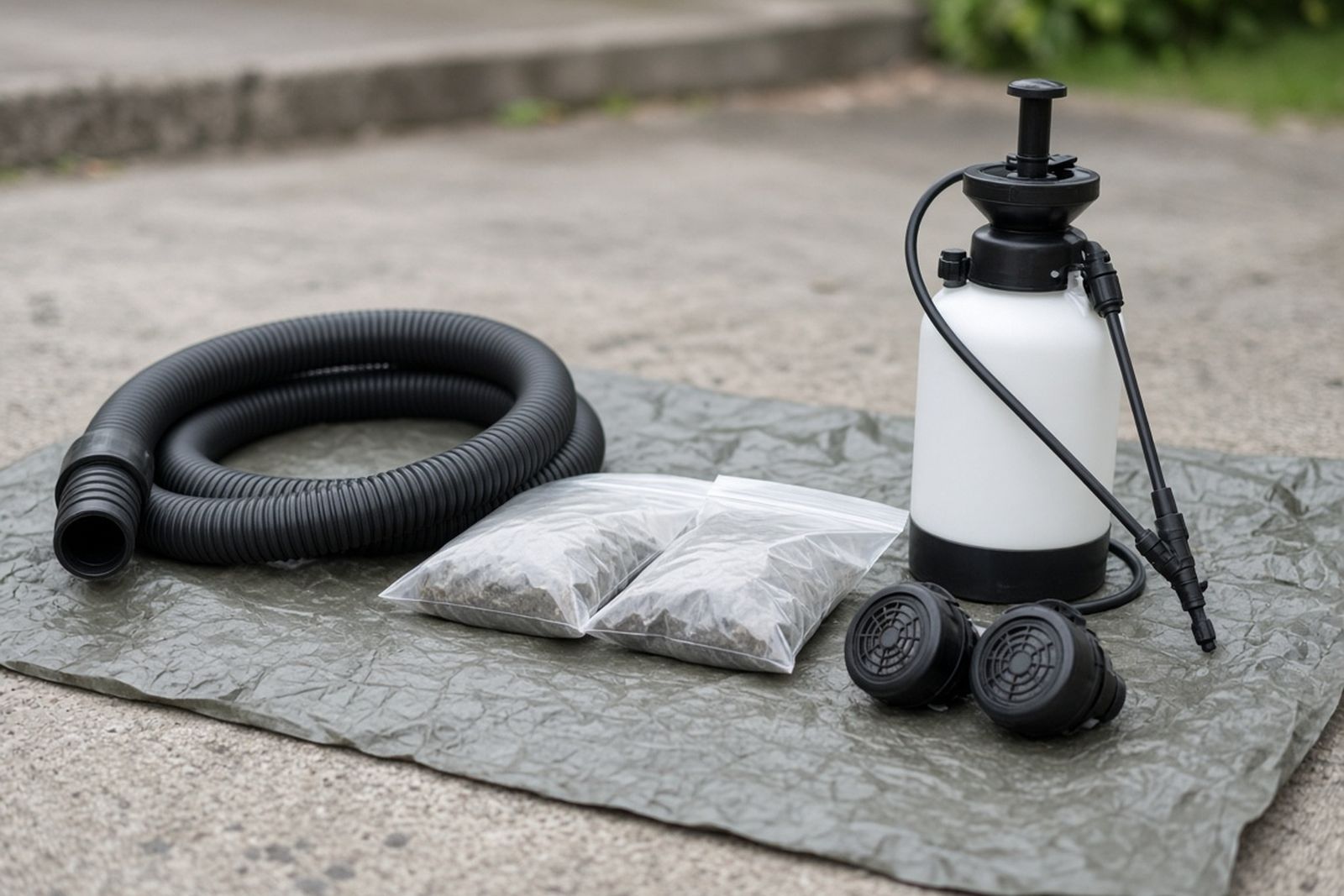
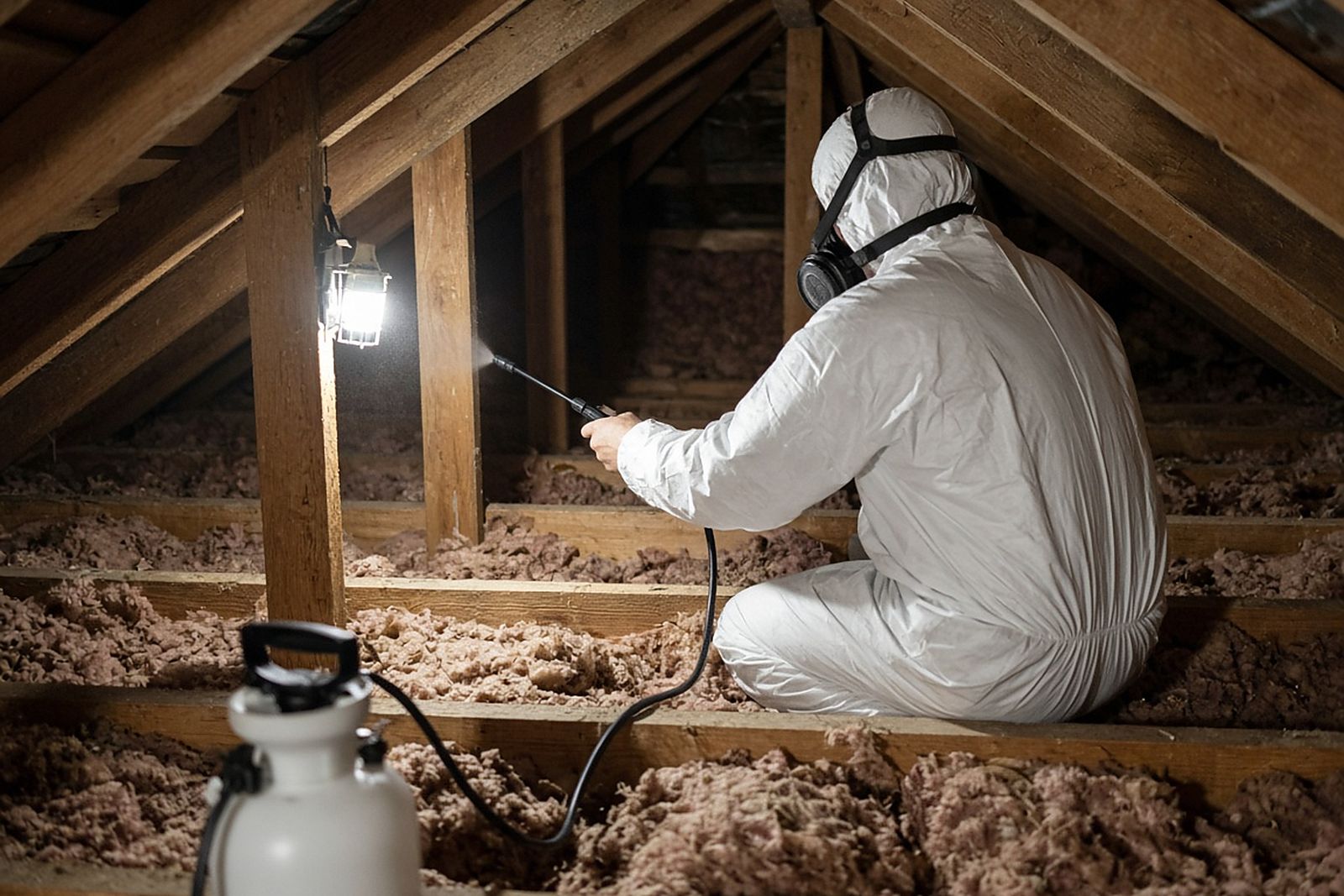
Small, light findings can be handled by trained staff with gloves and the right supplies. Heavy accumulations, nests in insulation, dead rodents in wall cavities and any job in a crawlspace or attic are better assigned to a remediation crew with respiratory protection and containment.
- Stock sealable bags, disposable towels, gloves and a registered disinfectant in each maintenance shop.
- Post the wet-cleaning steps inside the supply cabinet door.
- Tell staff to stop and report, not clean, if they find a nest, a heavy accumulation or a dead animal.
- Record the location so pest control can check it for entry points.
When does contaminated material need to be removed rather than cleaned?
Hard, sealed surfaces such as tile, laminate and metal shelving can typically be disinfected. Porous materials are harder. Urine and droppings soak into attic insulation, carpet pad, ceiling tiles, cardboard and upholstery, and allergens and odor can linger long after the droppings are gone.
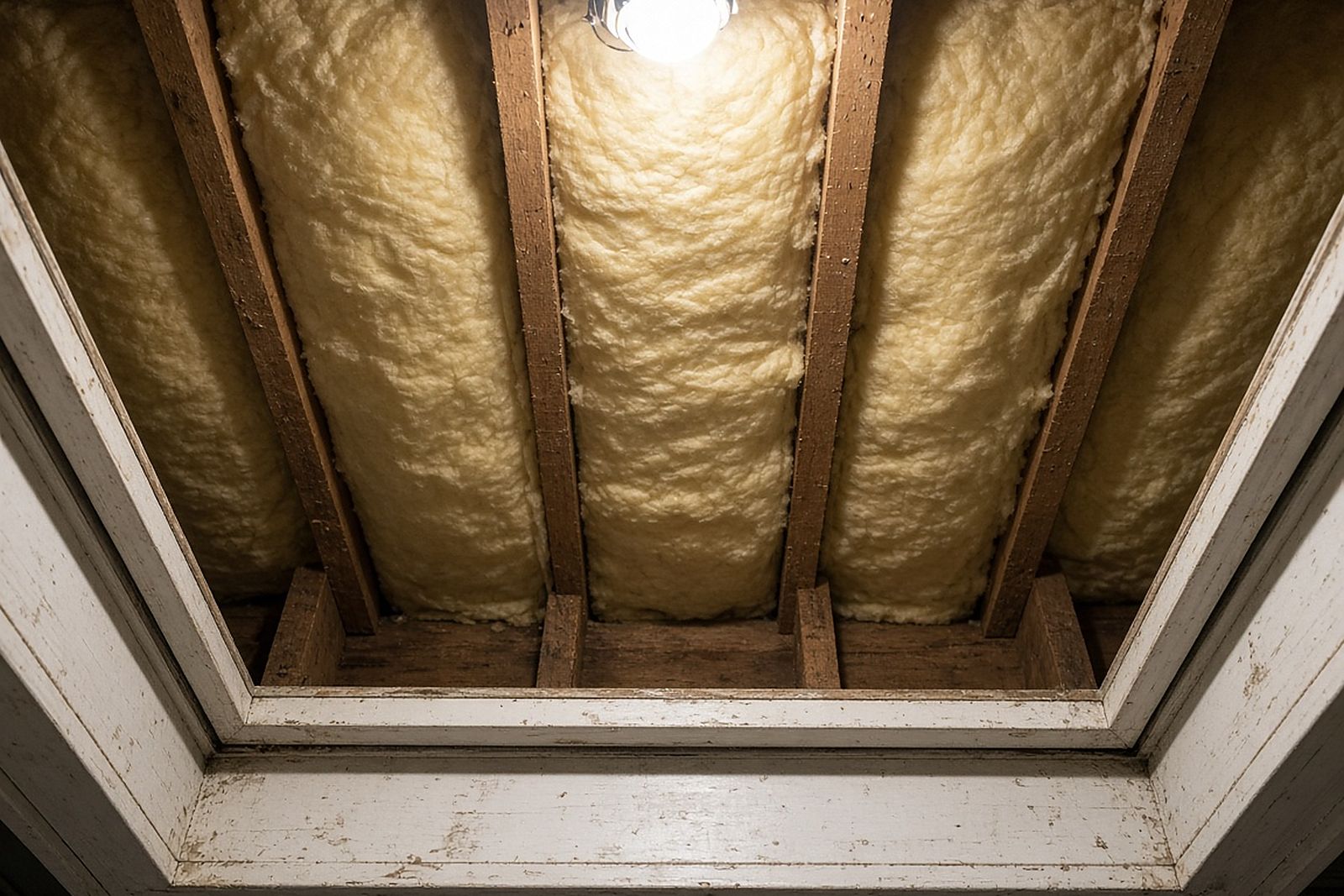
Remediation crews often recommend removing heavily soiled insulation and replacing it after the attic is cleaned and sealed. The same applies to stored goods in basement cages or storage units. Decisions about tenant property should involve the tenant, and you may want to document the condition with photos before anything is discarded.
Your owner will want to understand the scope and why each item is included. A written recommendation from the remediation contractor explaining which materials can be cleaned and which cannot makes that conversation easier.
How do I communicate with tenants without creating panic?
Tenants tend to worry most when they feel uninformed. A brief written notice that explains what was found, what is being done and what you need from them goes a long way.
Be factual about health concerns without dramatizing them. You can explain that rodent droppings can carry disease, that cleanup will use wet methods to avoid stirring up dust, and that anyone who develops fever, muscle aches or breathing trouble after exposure should talk with a healthcare provider and mention the rodent contact.
Ask for cooperation where it matters. Tenants can help by storing food in sealed containers, reporting new droppings or gnaw marks, and granting access for inspection. Avoid blaming language; many infestations begin in wall voids or neighboring properties no single tenant controls.
Keep in mind that some residents are more vulnerable than others, including people with asthma, those who are pregnant and households with infants. Offer to prioritize their units for inspection when a building-wide effort is underway.
Keeping rodents out across the portfolio
Cleanup solves the mess you can see. Prevention is what keeps you from paying for the same cleanup next winter. Rodents follow food, water and shelter, and managed buildings tend to offer all three in the trash room, the boiler room and the landscaping along the foundation.
Turnover is your best inspection window. When a unit is empty, have maintenance pull the kitchen kick plates, look behind the range and refrigerator, check under the bathroom vanity and open any access panels. Droppings found at turnover can be cleaned properly before the next resident moves in, and gaps around pipes can be sealed while the cabinets are bare.
Exterior work pays off too. Trim shrubs back from the foundation, keep dumpster lids closed and enclosures swept, repair door sweeps on loading and utility doors, and screen vents. Ask your pest control operator to walk the exterior with you seasonally and note anything that needs a work order.
Build these tasks into the annual maintenance calendar rather than leaving them to memory. Owners are more willing to fund a modest prevention routine when you can show them, from your own records, how often the same building needed reactive cleanup in prior years.
- Inspect under sinks and behind appliances at every unit turnover.
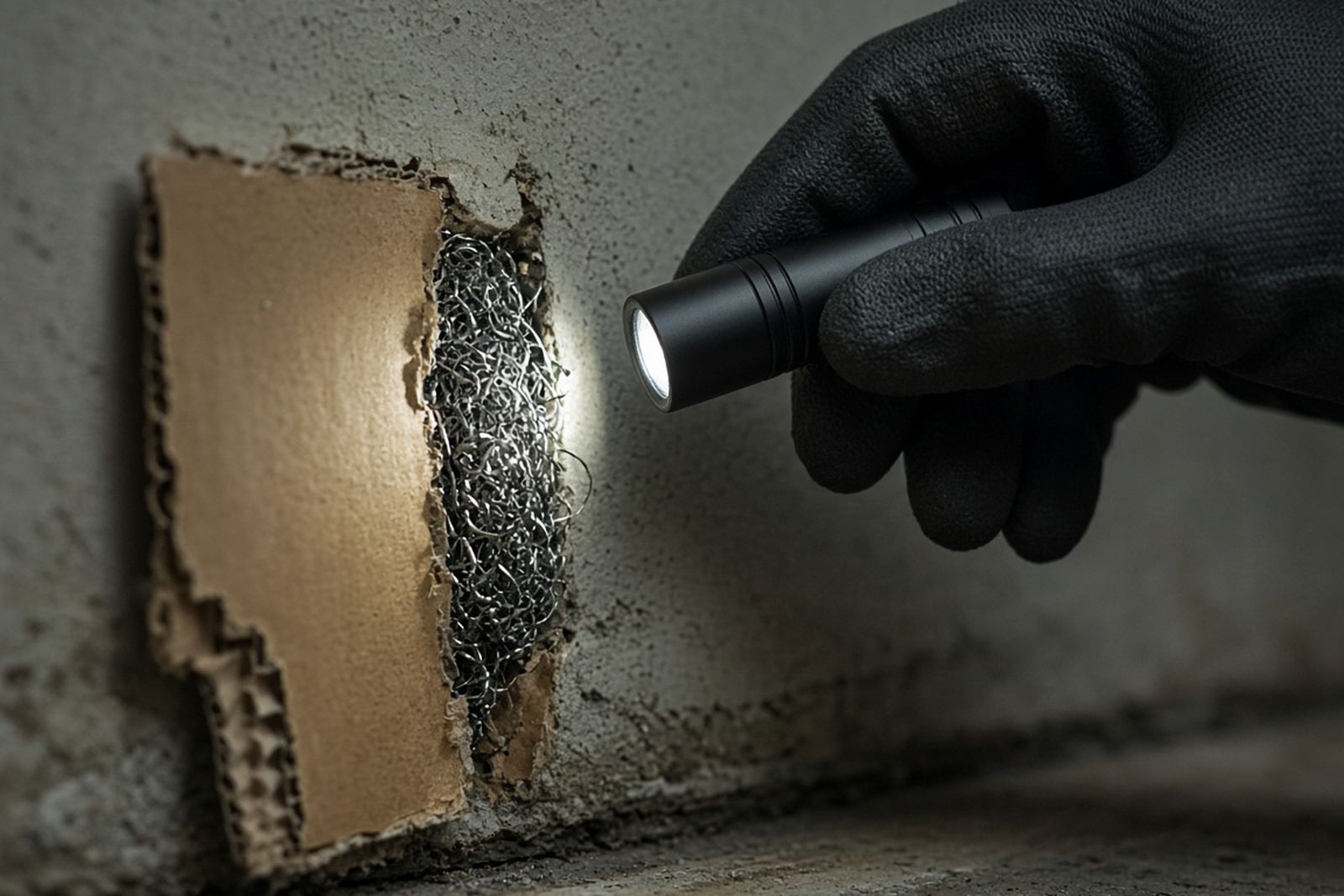
- Seal pipe and conduit penetrations with durable, rodent-resistant materials.
- Keep trash rooms and dumpster corrals clean, lidded and well drained.
- Walk the exterior with pest control at least seasonally.
Three stacked units, one plumbing chase
Stacked units are a classic pattern. As an illustration, take a six-story apartment building where tenants in units 204, 304 and 404 each report mouse droppings under their kitchen sinks within the same two weeks. All three units share a plumbing chase.
The manager in this illustration schedules the pest control operator to inspect the whole vertical stack, including the ground-floor trash room directly below. The inspection finds gaps around pipe penetrations on every floor and a nest in the chase at the second level. The operator sets traps, then seals the penetrations with durable materials once captures stop.
A remediation contractor follows. The crew opens the access panel, removes the nest and droppings with wet methods, disinfects the chase and the under-sink cabinets, and replaces a water-stained cabinet floor in one unit. The manager sends each tenant a notice before and after the work and keeps both vendors' reports in the building file.
Documentation that holds up in a dispute
Rodent complaints can turn into rent disputes, code enforcement cases or insurance questions. The best defense is a clear paper trail showing you responded and followed through.
Keep that file even after the problem resolves. Rodent activity often returns seasonally, and having the prior report lets the next vendor start where the last one stopped instead of beginning from scratch.
- The tenant's report and the date you received it.
- Inspection findings, with photos of droppings, gnaw marks and entry points.
- Pest control service records, including what was sealed and where.
- The remediation scope, the disinfectant used, and what materials were removed.
- Tenant notices and any follow-up communications.
- Follow-up inspection results confirming activity has stopped.