Short answer
Rodent droppings remediation cost is driven by how much area is soiled, whether insulation has to be removed, how hard the space is to work in, and how much exclusion work is needed to stop rodents from returning. A small garage corner is a modest job. A heavily used attic with urine-soaked insulation, chewed ducts, and many entry points is a multi-day project with several separate line items.
Why do rodent cleanup quotes vary so widely?
Rodent jobs look simple from the outside: remove the droppings, disinfect, and go. In practice, the work stretches across several trades. There is exclusion, which means finding and sealing the gaps rodents use to get in. There is trapping or removal of the animals still inside. There is the cleanup itself, done with wet methods so dried droppings are not stirred into the air. And there is often insulation removal, disinfection, and replacement.
Some companies do all of that under one roof. Others specialize in just one piece and subcontract the rest. That alone can make two quotes for the same attic look completely different. One may include exclusion and new insulation; another may only price the cleanup and leave the rest for you to arrange.
Understanding the separate pieces is the easiest way to read a rodent remediation estimate and see whether you are comparing like with like.
Size and condition of the area
Square footage is a starting point, but condition matters just as much. A few scattered droppings along a garage wall are a short, focused job. An attic where mice have run along every joist for a year, with nests in the eaves and urine staining on the insulation, is a different scale entirely.
Providers look at how widespread the droppings are, whether there are nests or dead rodents, how strong the urine odor is, and whether rodent activity reached other parts of the home, such as wall cavities, ductwork, or the space under kitchen cabinets. Each additional area adds time and materials.
Species can matter too. Rat droppings are larger and often concentrated in runways and latrine areas, while mouse droppings tend to be scattered widely along walls and inside cabinets. Neither is cheaper by definition, but the pattern affects how long a crew spends searching and wiping. A provider who asks what you have seen, or who inspects before quoting, is trying to price the actual pattern rather than guessing.
- Light, localized droppings: usually handled with targeted wet cleaning and disinfection.
- Widespread droppings and nests: longer labor, more protective gear, more waste bags.
- Urine-saturated insulation or subfloor: often calls for removal rather than cleaning.
- Activity inside ducts or wall cavities: may require access cuts or duct work.
Why is insulation often the biggest line item?
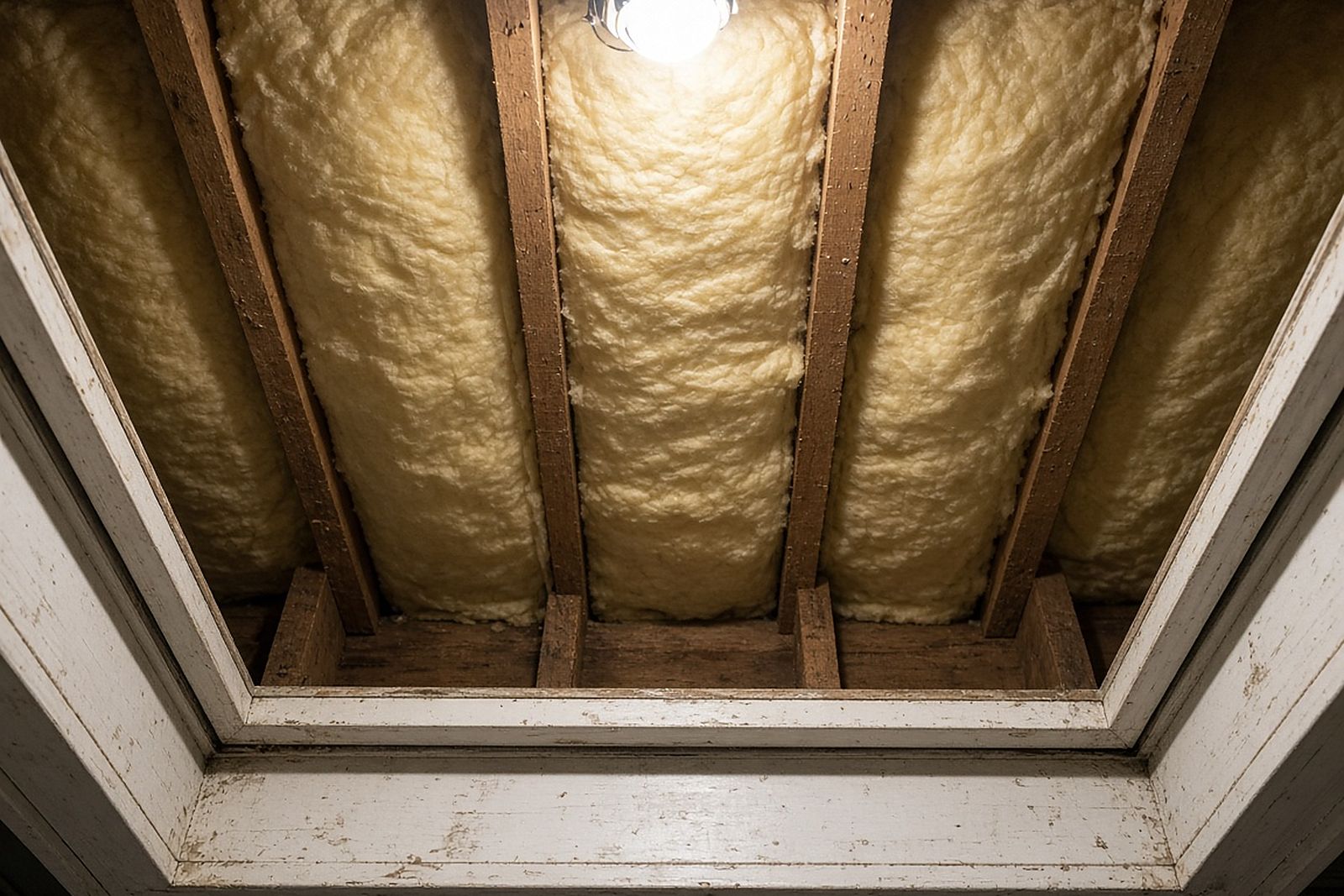
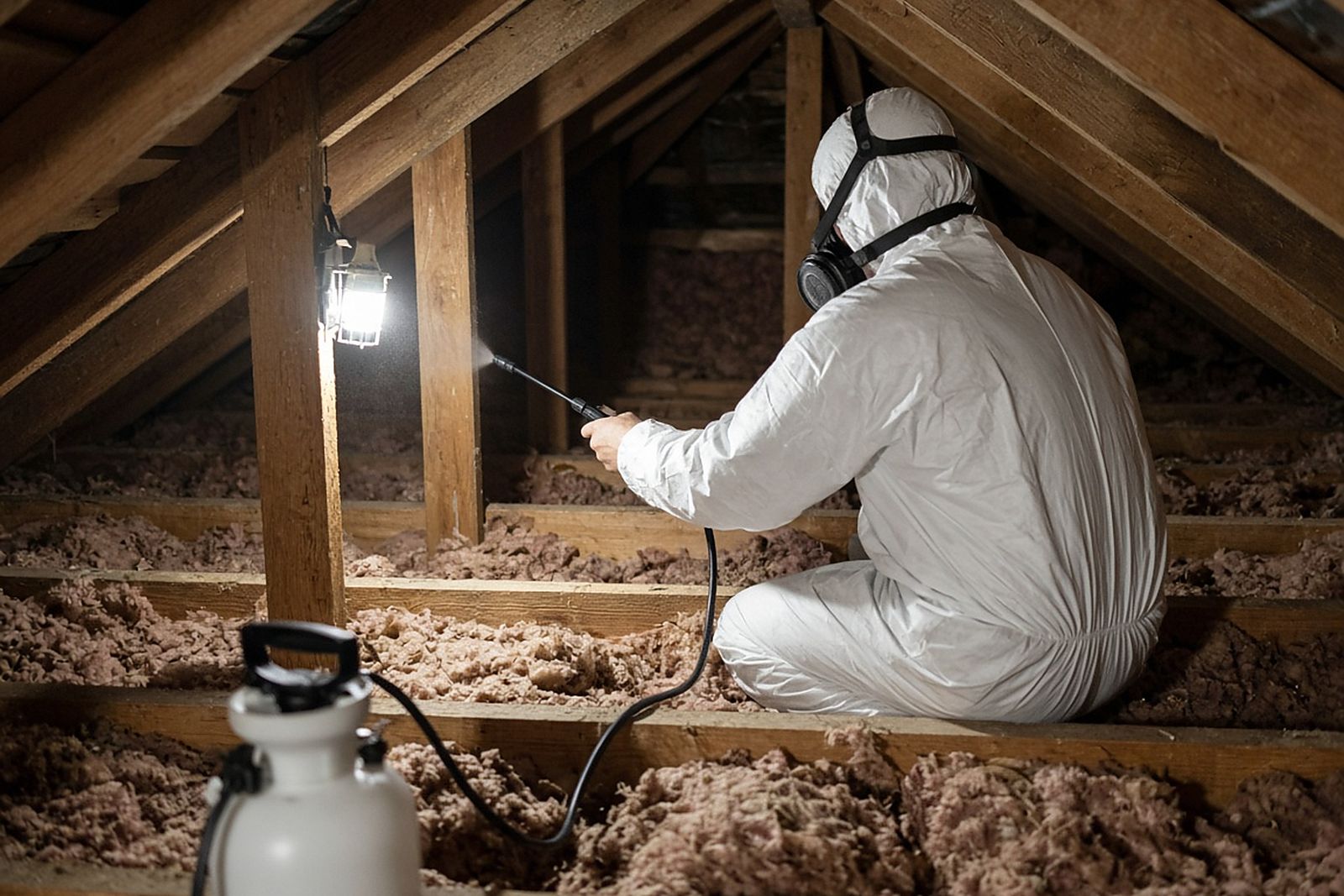
Loose-fill and batt insulation make ideal nesting material, and rodents often tunnel through them, leaving droppings and urine throughout. Once insulation is heavily soiled, it cannot be cleaned in place. It has to be bagged and removed, usually with a high-powered vacuum system designed to contain dust, and then the attic floor is cleaned and disinfected before new insulation goes in.
A few published consumer cost figures offer rough reference points. HomeAdvisor reported in 2026 that insulating an attic costs about $2,100 on average ($1,700 to $2,500), and removing old insulation runs $1 to $1.50 per square foot. Thumbtack reported in 2026 that attic cleaning costs most homeowners about $438, and rodent decontamination adds roughly $1.50 per square foot plus about $200 to deodorize and disinfect. These are national consumer-site figures, not quotes, and local pricing varies widely.
Ask any provider whether full removal is necessary or whether partial removal could work. Heavily soiled sections should go, but a provider should be able to show you photos and explain their reasoning either way.
Exclusion and the total
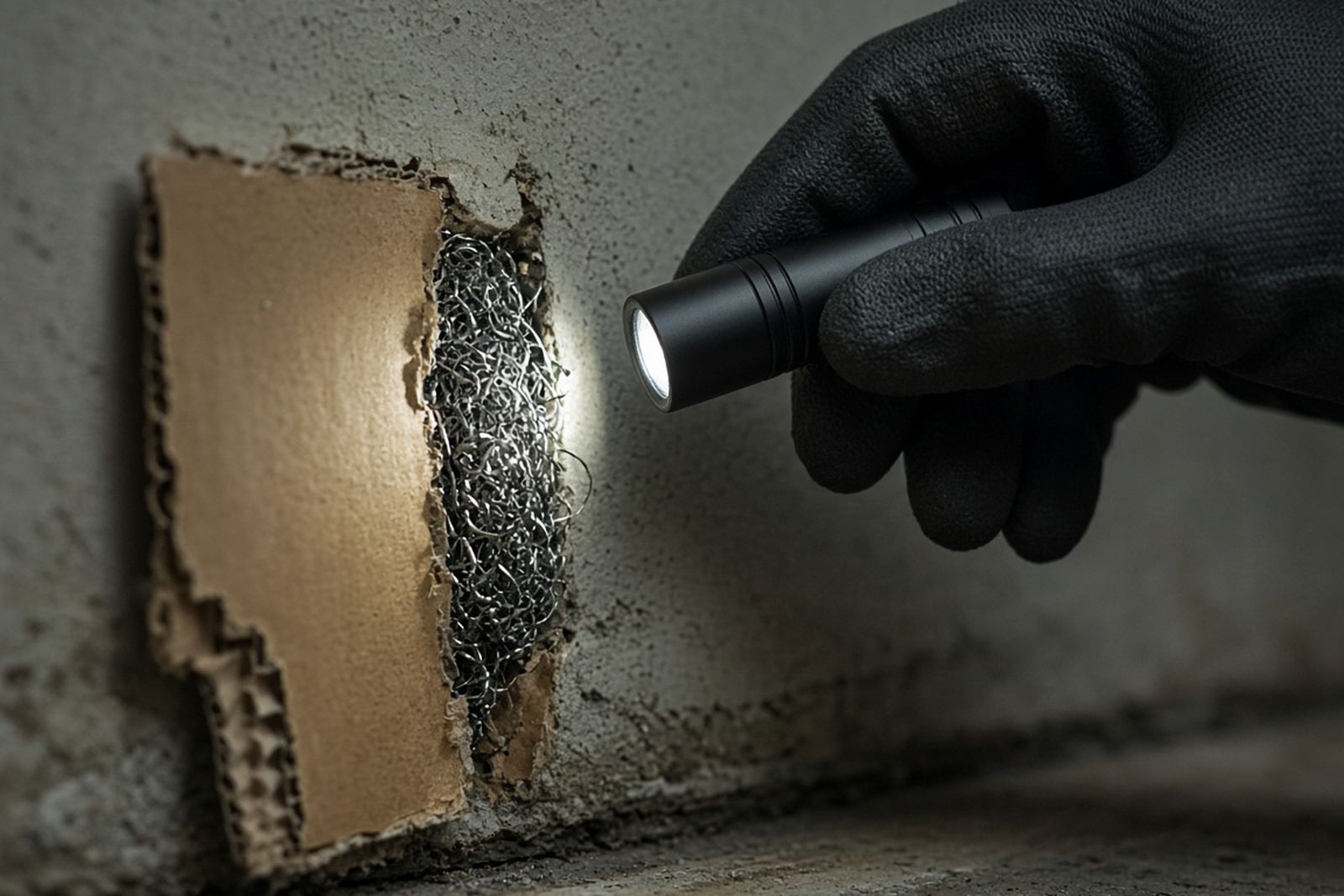
Cleaning without exclusion is money wasted. If mice can still get in through a gap around a pipe or a loose vent screen, they will be back in the fresh insulation within weeks. Exclusion is the work of finding every entry point and sealing it with materials rodents cannot chew through, such as steel mesh, hardware cloth, sheet metal, or specialized sealants.
The cost depends on how many openings there are and how hard they are to reach. A single-story house with a few gaps around utility lines is a smaller job than a two-story home with a complex roofline, multiple dormers, and old siding. Some entry points require ladders or roof access, which adds time and sometimes additional safety equipment.
Many providers offer a warranty on exclusion work, often requiring a follow-up visit. Ask what the warranty covers, how long it lasts, and what happens if rodents return.
Exclusion is also the one piece that keeps paying for itself. Every gap sealed now is a future cleanup you may never need.
Does trapping or pest control appear on the same bill?
Sometimes it does, and sometimes it is a separate service. Before cleanup can be effective, the rodents still inside the house need to be removed. That usually means traps set and checked over several visits. HomeAdvisor reported in 2026 that professional rat extermination costs an average of $395, with most homeowners paying between $189 and $655.
If you already have a pest control company, ask whether they coordinate with remediation providers. A clean handoff matters: trapping should be complete or nearly complete before the crew removes insulation, and exclusion should be finished before new insulation goes in. When the sequence is out of order, you may end up paying for parts of the job twice.
Snap traps, bait stations, and live traps each carry different labor and follow-up needs, so ask which method is planned and why.
Access and working conditions
Attics and crawlspaces are hard places to work. Low clearance, heat, narrow joist spacing, and limited entry points all slow crews down. A walk-up attic with plenty of headroom is far easier to clean than a shallow space reached through a small closet hatch.
Crawlspaces add their own challenges. Crews may need to remove and replace vapor barriers, work around plumbing and ductwork, and deal with moisture. If rodents have been living under the house for a long time, there may be more debris and odor to address.
Seasonal timing can also matter. Summer attic temperatures can limit how long crews can safely work, which may stretch a job over more days.
Sheds, detached garages, and vehicles are priced differently again. A shed full of stored boxes means sorting belongings as well as cleaning, and anything porous that rodents nested in may need to be discarded. A car or RV with droppings in the cabin air filter or under the seats needs careful interior work, and the vehicle's ventilation system may have to be inspected by a mechanic before anyone drives it with the fan running.
Three attic bids, side by side
To show how bids line up, here is a made-up but typical comparison. Say you own a 1,600-square-foot ranch home. After hearing scratching at night, you look into the attic and find droppings along most of the joists, nests near two eaves, and a noticeable urine smell. You collect three bids.
Bid one is the lowest and covers wet cleaning of visible droppings and disinfection. It does not include insulation removal or exclusion. Bid two includes trapping, exclusion, full insulation removal, disinfection, and new insulation, with a one-year warranty. Bid three includes cleanup and insulation replacement but refers you to a separate company for exclusion and trapping.
In this scenario, bid one is not really comparable, because it leaves soiled insulation in place and does nothing to stop new rodents. Bids two and three can be compared once you add the cost of separate exclusion to bid three. The best choice depends on price, the warranty, and which company explained its plan most clearly. Ask each for photos of what they saw so you can verify the condition yourself without going into the attic.
Smaller items on the invoice
Beyond the main tasks, a few smaller items often appear. It helps to know about them in advance so they are not a surprise.
- Dead rodent removal and odor treatment in wall cavities.
- Duct cleaning or replacement if rodents nested in HVAC lines.
- Replacing chewed wiring, which usually requires a licensed electrician.
- Disposal fees for bagged insulation and debris.
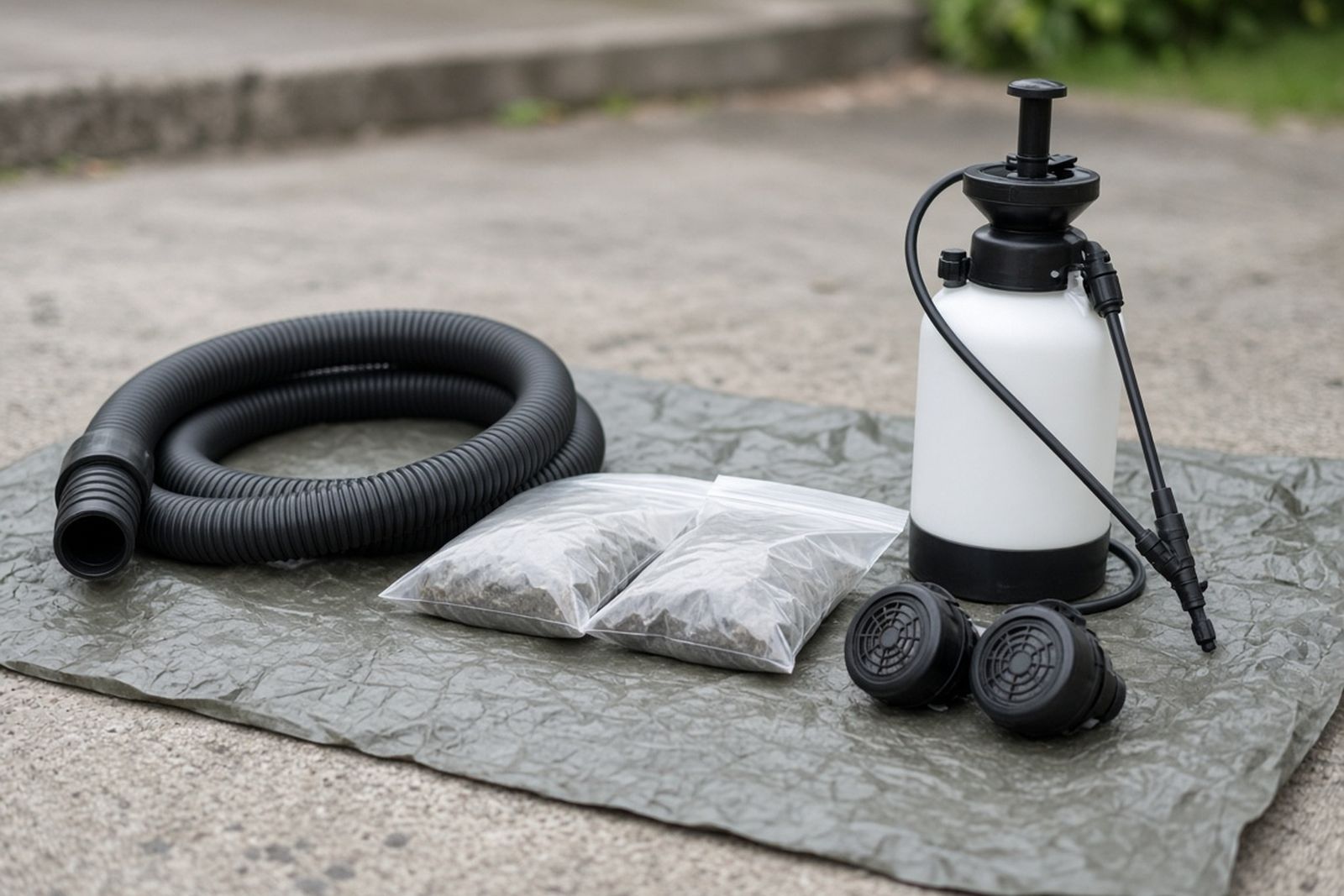
- Protective equipment for the crew, such as respirators and coveralls.
- Follow-up inspections to confirm exclusion is holding.
How can you avoid overpaying or underbuying?
Ask every provider to explain the order of work: trapping, exclusion, cleanup, insulation, and follow-up. Ask what is included and what is extra, and get the answer in writing. A clear, sequenced plan is usually a sign the company understands the whole problem rather than just one piece of it.
Be cautious about the cheapest option if it skips exclusion or leaves heavily soiled insulation behind. Also be cautious about the most expensive option if the provider cannot explain why every item is necessary. If a bid includes pest control or insulation work, ask whether the company holds any license your state requires for it, and check with the state agency that licenses pest control operators.
In the meantime, protect your health. Do not sweep or vacuum droppings, keep children and pets out of affected spaces, and ventilate before anyone enters. If someone in your home develops fever, body aches, or trouble breathing after being around droppings, contact a healthcare provider and mention the exposure.