Short answer
PPE for rodent droppings remediation depends on how much contamination there is, how enclosed the space is, and whether material will be disturbed. Light spot cleanups usually need gloves and a wet-disinfect method. Heavy infestations in attics, crawlspaces, and sheds call for a fit-tested respirator with HEPA filters, goggles, coveralls, and boots, plus a careful removal routine so dust does not travel.
Assess the hazard before choosing gear
Rodent cleanup covers a wide range of situations. A handful of mouse droppings in a kitchen drawer is a small, contained job. A barn loft with years of nesting material, or an attic where insulation is soaked with urine, is something else entirely. The protective equipment should reflect that difference.
A hazard assessment looks at the amount and age of the debris, how enclosed and ventilated the space is, how much material will be disturbed, and what else is present. Mold, dead animals, insect activity, and damaged insulation all change the plan. So does the region, since some rodent-borne viruses are more common in certain parts of the country.
What you want from any provider is an explanation of why a crew is dressed the way it is for your space, not a single standard outfit used everywhere.
Small spot cleanups, including your own
For light contamination in a well-ventilated room, the core protection is technique more than equipment. The space is aired out before work starts, the droppings are soaked with disinfectant, and the wet material is wiped up with paper towels and bagged. Nothing is swept or vacuumed dry.
Gear for this kind of job is usually modest: disposable rubber, latex, or nitrile gloves, and eye protection if there is any chance of splashing disinfectant. Many professionals also wear a disposable respirator for comfort and extra margin, even on small jobs.
Ventilation is a simple but important step. CDC's cleanup guidance for homes and outbuildings starts with opening doors and windows and leaving the space to air out before anyone begins. A technician who walks straight in and starts scooping is skipping a basic precaution.
For a small amount of droppings in a ventilated space, many homeowners do the cleanup on their own. If you do, follow the same principles professionals use: air the space out first, wear gloves, wet everything with disinfectant before touching it, never sweep or vacuum dry, and wash your hands well when you finish.
Stop and call for help if the contamination is larger than you expected, if the space is enclosed and dusty, or if anyone in the home has breathing problems. If you or a family member develops fever, muscle aches, or shortness of breath in the weeks after rodent exposure, see a clinician and mention the cleanup.
When does a job call for a respirator and full coverage?
Heavier contamination changes the picture. Enclosed spaces with large amounts of droppings and nesting material, such as attics, crawlspaces, cabins that have been closed for a season, and storage sheds, create more airborne dust when disturbed. Removing insulation or stored items multiplies that effect.
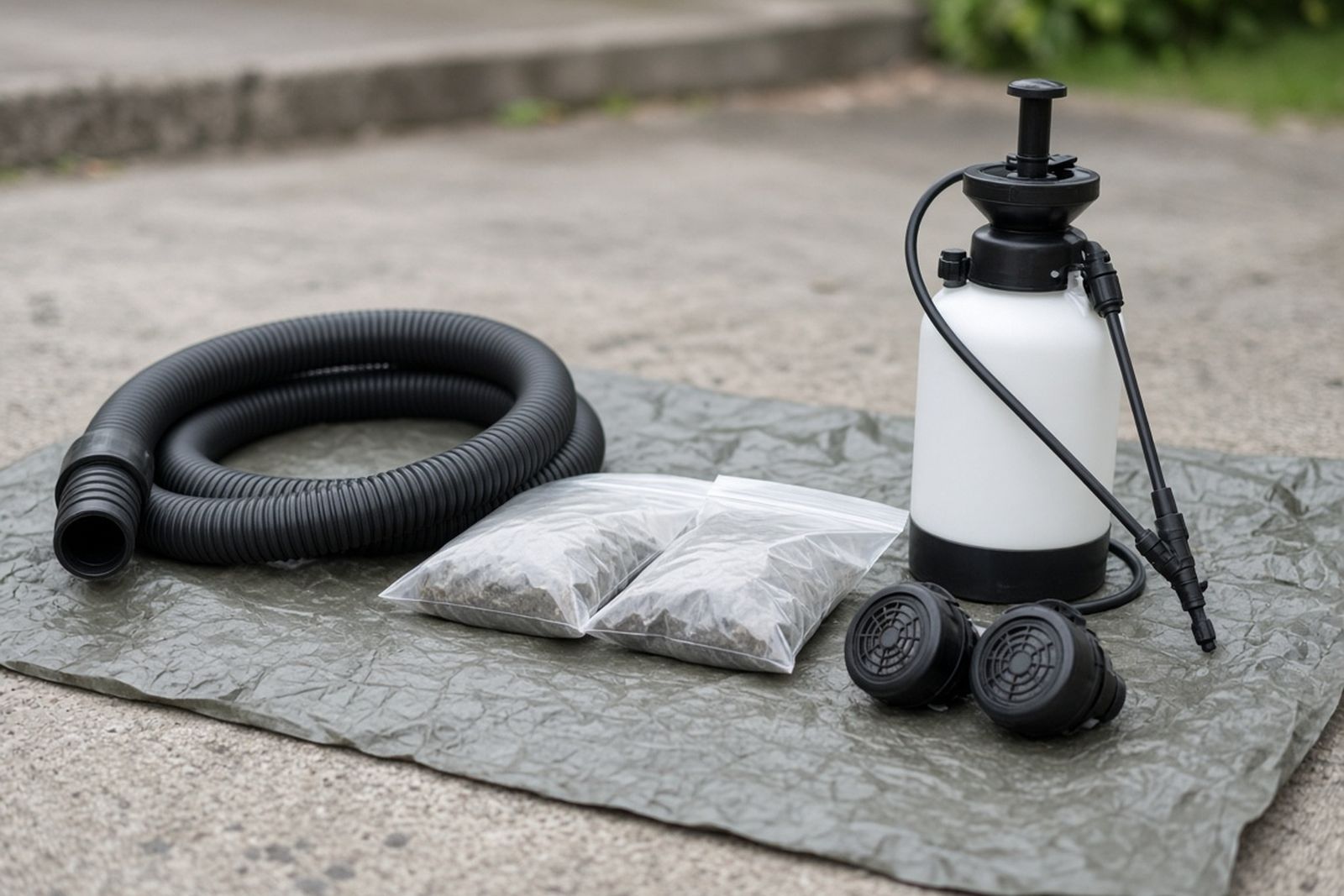
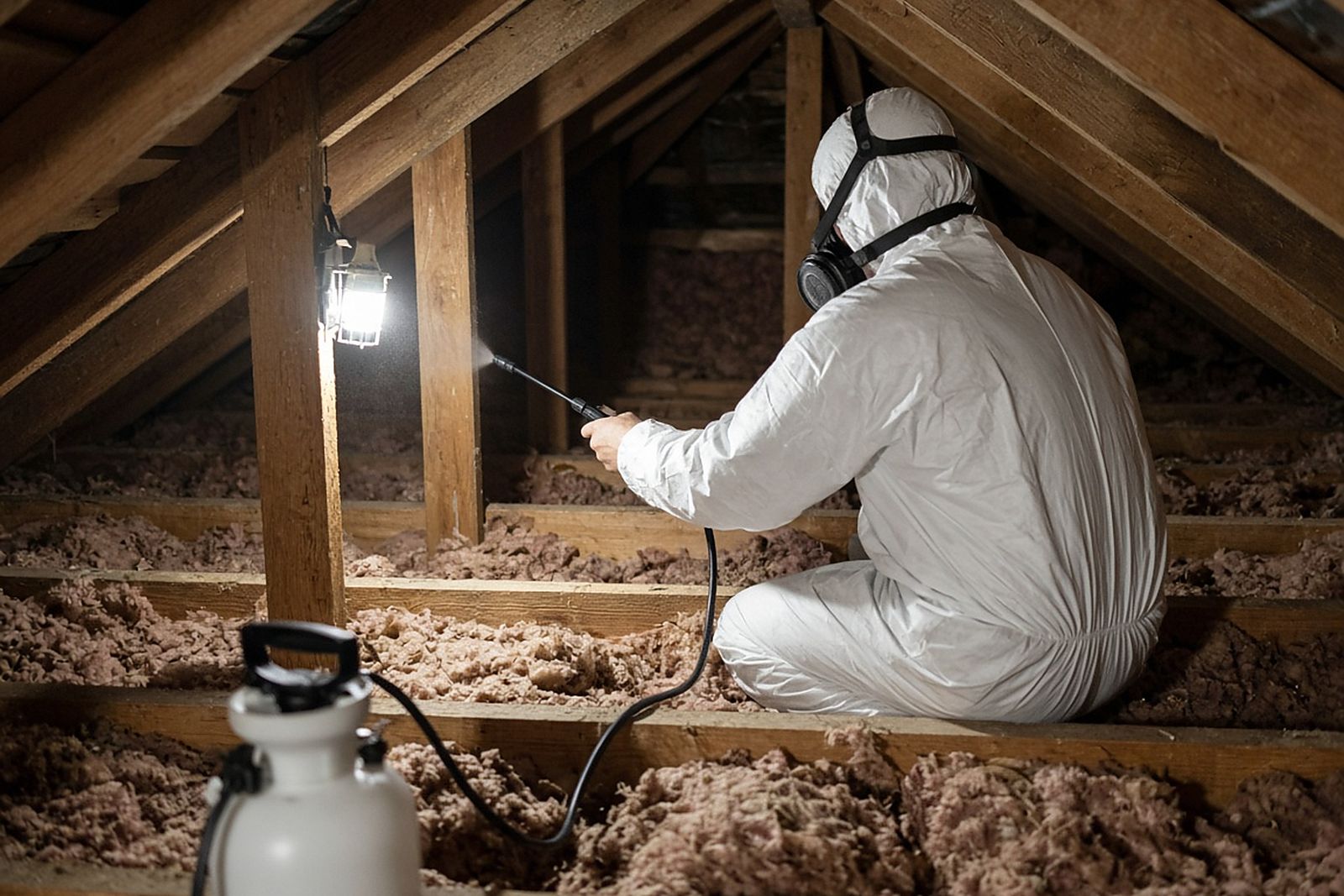
For these jobs, a trained crew typically wears a half-mask or full-face air-purifying respirator with HEPA filters, disposable coveralls with hoods, rubber boots or disposable boot covers, goggles or a full-face respirator, and heavy rubber gloves over inner gloves. The respirator must fit the wearer, which means fit testing and a clean-shaven seal.
A full-face respirator can simplify things by protecting the eyes and lungs together. Some crews use powered air-purifying respirators for long jobs in hot attics, where a tight half mask becomes hard to tolerate.
- Fit-tested respirator with HEPA filters, half-face or full-face.
- Goggles if the respirator does not cover the eyes.
- Disposable hooded coveralls.
- Rubber boots or disposable boot covers.
- Heavy rubber or nitrile outer gloves over disposable inner gloves.
- Tape at the wrists and ankles when working in dense debris.
Why a dust mask is not enough
Paper dust masks and loose cloth masks are designed for comfort around nuisance dust. They do not seal to the face, so air leaks in around the edges. In a space where fine, contaminated particles are floating, that leak is exactly where the exposure comes from.
A properly fitted respirator forces air through the filter instead of around it. HEPA-rated filters capture the fine particles that matter in rodent work. The difference between the two is not the material in front of your mouth; it is whether the air you breathe has actually been filtered.
If you are watching a crew at your property and see loose dust masks in a heavily contaminated attic, it is reasonable to ask about it.
The same logic applies to eye protection. Ordinary eyeglasses leave gaps at the sides and top, and dust or disinfectant mist can reach the eyes through them. Sealed goggles or a full-face respirator close those gaps, which matters most when technicians are working overhead in an attic and debris can fall toward their faces.
The health risks behind the gear
Hantavirus is the best-known concern, and it is the reason for much of the caution in this field. Symptoms can take weeks to show up after exposure. That delay makes prevention during cleanup especially important, since there is no early warning.
Allergens are a more common, everyday problem. Mouse allergen is a known asthma trigger, and it settles into the same dust the crew is working in. Cleanup can stir those allergens up, which matters for both workers and the people who live in the home.
Other risks include bacterial infections from urine-contaminated water or surfaces, bites from surviving animals, and fleas or mites that leave a nest once the rodents are gone. Coveralls, gloves, and taped cuffs help with those as well.
How should crews remove gear without spreading contamination?
The removal routine matters as much as the gear itself. A contaminated coverall pulled off carelessly in a hallway can deposit dust exactly where you do not want it.
Good practice sets up a clear exit point from the work area. Before leaving, technicians spray or wipe gloves with disinfectant, remove outer gloves, peel coveralls inside out, and bag them. The respirator comes off last, after the rest of the gear is removed, and is cleaned and disinfected before storage. Hands are washed thoroughly with soap and water.
For large jobs, some crews also seal off the work area with plastic sheeting and set up a small decontamination zone at the exit. That step keeps the rest of the house from becoming part of the job.
Reusable tools need the same attention. Scrapers, pry bars, flashlights, and ladders that were inside the work area should be wiped with disinfectant before they go back in the truck. Otherwise the crew carries a little of your attic to the next customer's home.
How a heavy attic job is set up
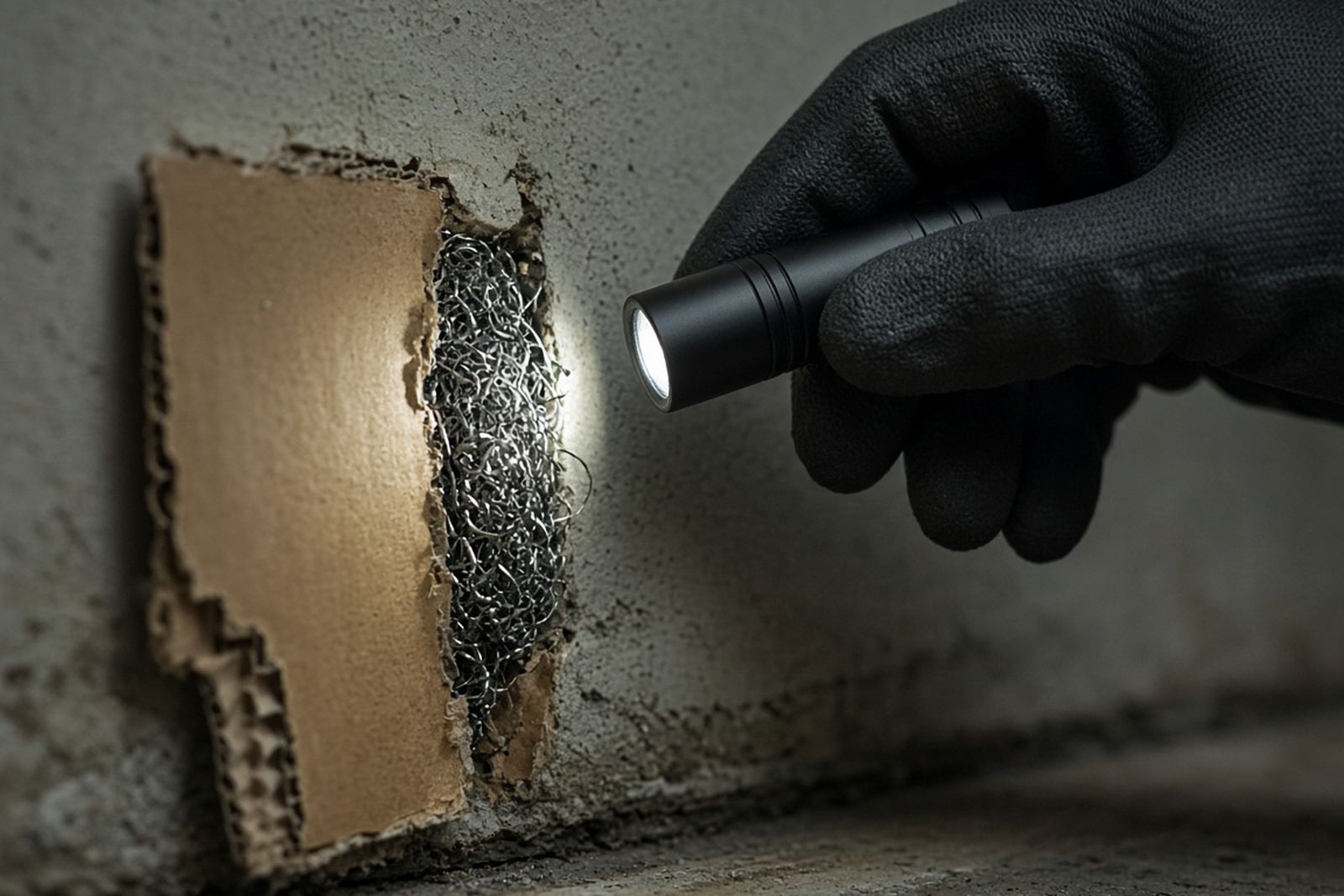
Heavy attic jobs often follow a winter of scratching in the ceiling. By spring, the pest control company has sealed entry points and trapped the remaining mice, and the attic shows droppings across the insulation, nests along the eaves, and stained areas near equipment platforms. A provider who walks that attic will treat it as heavy contamination in an enclosed space.
The gear plan follows from that: fit-tested half-mask respirators with HEPA filters, goggles, hooded coveralls, boot covers, and double gloves. The crew closes off the hatch area with plastic, sets up a negative-air machine to exhaust through a gable vent, and ventilates before starting.
Technicians mist nests and droppings with disinfectant, let it sit for the label's contact time, and remove the soaked material into heavy bags. Stained insulation is removed rather than cleaned. At the end of each shift, gear comes off at the hatch in a set order and goes straight into sealed bags, and the household stays off that floor until the work is done.
What should you ask a rodent cleanup company about its gear?
A few questions will tell you whether a provider matches gear to the job or uses the same approach every time. You are listening for reasoning, not brand names.
A company that can explain why it would dress differently for a kitchen cabinet and a crawlspace is showing you that it understands the risks. That same thinking tends to show up in how it contains dust, protects your belongings, and cleans up afterward.
Heat is another factor worth raising on attic and shed jobs. Coveralls and respirators trap body heat, and an attic in summer can become dangerous quickly. Ask how the crew schedules breaks, whether they work early in the day during hot weather, and how they decide when conditions are too hot to continue safely.
- What level of contamination do you see here, and what gear does that call for?
- Has each technician been fit tested on the exact respirator model they will use here?
- How will you keep dust from reaching the rest of the house?
- Where do crew members take off their gear, and how is it bagged?
- How will you protect anyone in the household with asthma or allergies?