Short answer
Rodent droppings remediation usually happens in phases: inspection, removing active rodents, sealing entry points, cleaning and disinfecting, removing soiled materials, and restoring insulation or finishes. A light cleanup in one small area may take a single visit. A heavily used attic or crawlspace often needs several visits over days or weeks, because the rodents must be gone before cleaning can hold.
Why rodent remediation happens in stages
Many people expect a rodent cleanup to be one visit: come in, clean up the droppings, and leave. Sometimes it is. But when rodents are still active, cleaning first is like mopping a floor while the tap is still running. New droppings appear, the space is recontaminated, and the work has to be repeated.
That is why most thorough jobs follow a sequence. The rodents are dealt with first, the gaps they use are sealed, and only then does the full cleanup begin. Some providers handle every phase; others focus on the cleanup and coordinate with a pest control company for the rest.
Knowing the phases helps you understand why your timeline might stretch across more than one appointment, and where you can help it move faster.
The type of space matters too. A garage corner or a single kitchen cabinet is a contained, reachable area. An attic, crawlspace, or wall cavity is harder to enter, harder to light, and harder to work in comfortably. Crews in those spaces move slowly because they are wearing respirators and full protective gear, and because rushing is how droppings get disturbed.
The inspection sets the schedule
The inspection sets the scope for everything that follows. A technician looks for droppings, urine stains, grease marks along walls, gnaw damage, nests, and signs of active travel. They check attics, crawlspaces, garages, basements, wall voids near plumbing, and the spaces under kitchen and bathroom cabinets.
The inspection also looks outside. Rodents enter through gaps around pipes, vents, rooflines, foundation cracks, and garage doors. Mapping those entry points is essential for planning exclusion work.
For a small home with obvious activity in one area, the inspection may be brief. A larger home, a property with several outbuildings, or a building with limited access to the attic or crawlspace takes longer. At the end, you should receive a written scope describing what was found and what each phase will involve.
If you already know that rodents reached the ductwork, mention it. Droppings or nesting inside supply or return ducts can spread allergens through the house and may require a duct cleaning specialist, which adds a separate appointment. Finding this during the inspection rather than halfway through cleanup keeps the schedule predictable.
Trapping and sealing come first
If rodents are still living in the space, they will keep producing droppings and urine. Cleaning while they are present wastes time and money, and it exposes workers to fresh material repeatedly.
Removal typically involves trapping, with traps checked on a regular schedule. The length of this phase depends on the size of the population and how established it is. A single mouse may be caught quickly; an established colony in a large attic may take longer. The provider will usually monitor activity until signs of new droppings stop.
During this period, avoid disturbing droppings or nests yourself. If you must enter the space, keep the visit short and do not touch anything dry.
Poison baits are sometimes used by pest control companies, but many remediation providers prefer traps inside living spaces. Rodents that eat bait may die inside walls or ceilings, where they cause odors and draw insects, and locating them adds unplanned time to the job. Ask which method your provider uses and why.
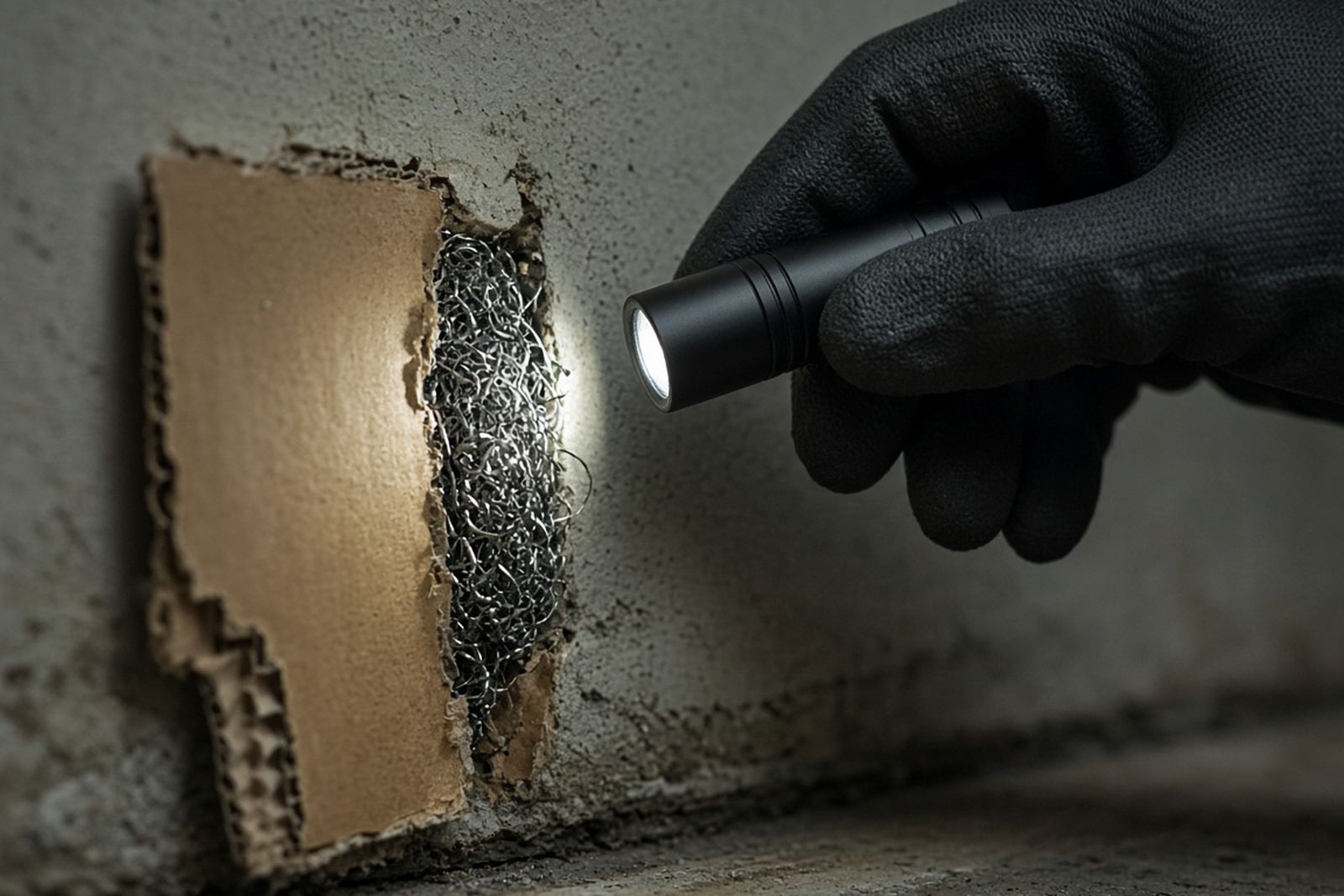
Exclusion means closing the gaps rodents use to get in. Technicians use materials rodents cannot easily chew through, such as metal mesh, sheet metal, and sealants rated for the purpose. Common targets include gaps around utility lines, roof returns, vent screens, soffits, weep holes, and foundation cracks.
The time involved depends on how many gaps there are and how hard they are to reach. A single-story home with a few gaps near the foundation is quicker than a two-story home with roofline openings that require ladders or lifts.
Exclusion is often done alongside or just after trapping, so that rodents inside can be removed and new ones cannot come in. Ask your provider whether exclusion is included in their scope or must be arranged separately.
- Gaps around pipes, cables, and dryer vents.
- Openings at roof returns, soffits, and gable vents.
- Foundation cracks and gaps under doors.
- Crawlspace vents and access doors.
Cleanup and insulation: the longest stretch
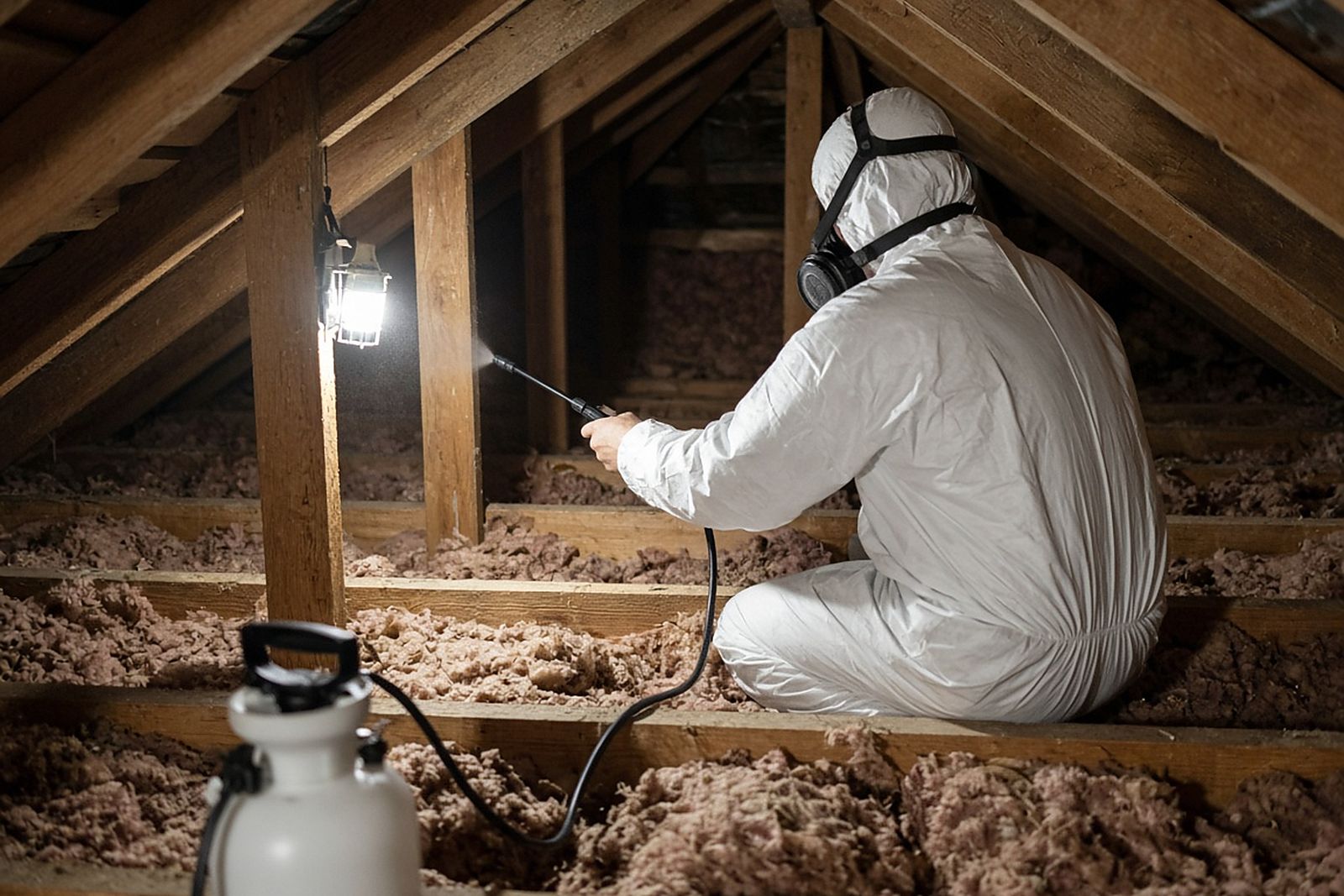
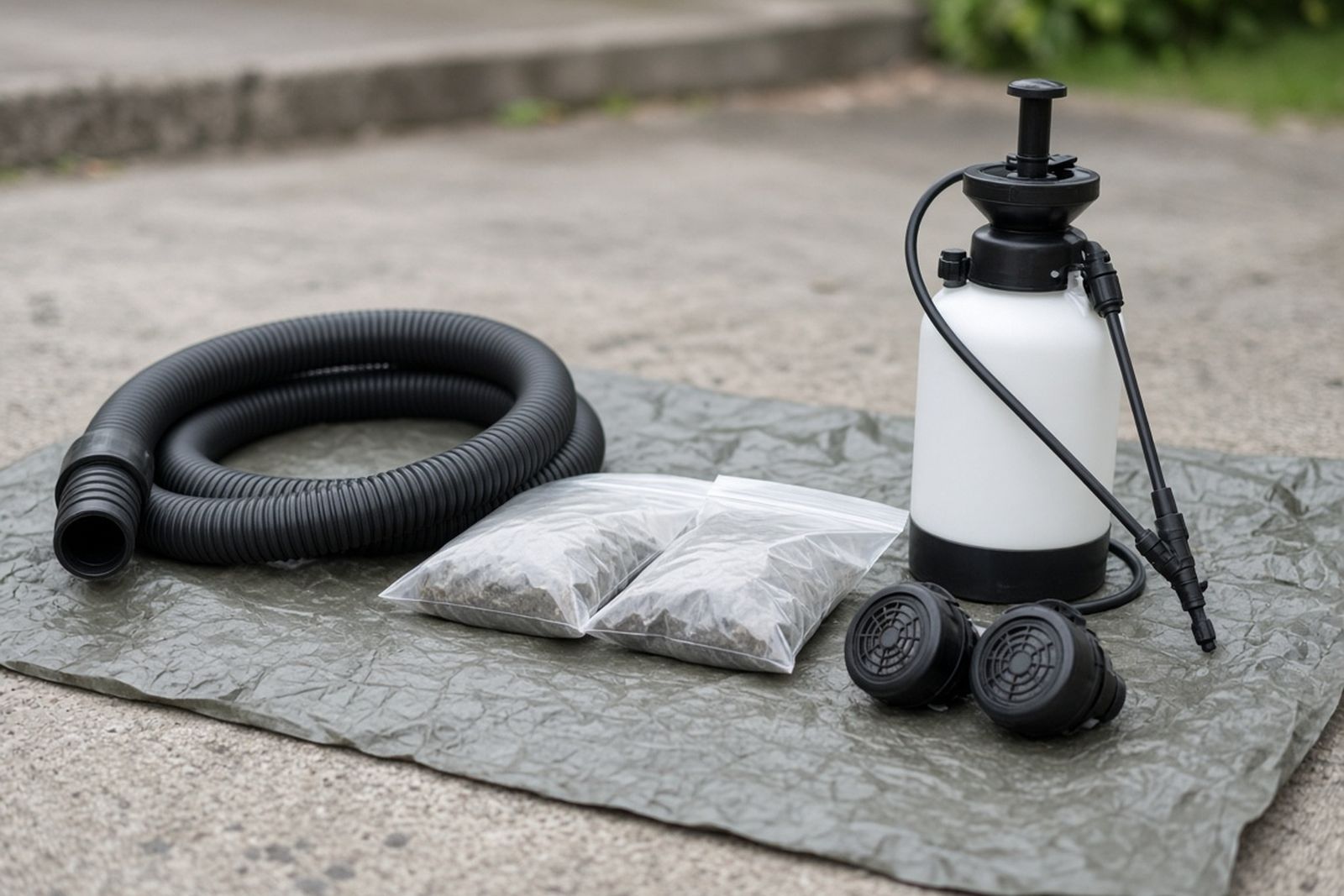
Once the rodents are gone and the entry points are sealed, the cleanup begins. Crews follow a wet-cleaning method to keep dried material from becoming airborne. The space is aired out before anyone starts, and droppings and urine are soaked with disinfectant and left for the product's full contact time before removal.
Those two steps show why cleanup cannot be rushed. Ventilation, full saturation, waiting through the contact time, and careful removal all take time. Then the crew disinfects the surface again after visible material is gone.
Nest material, dead rodents, and soiled stored items are bagged and removed. In heavy infestations, crews may set up containment and negative air to keep particles from spreading into living areas. That setup adds time at the start and teardown adds time at the end.
In attics and crawlspaces, insulation is often the biggest single task. Rodents nest in it and soil it throughout its depth. Removing it usually means vacuuming loose fill with a specialized high-capacity system or bagging batts by hand, all while working in tight, hot, or awkward spaces.
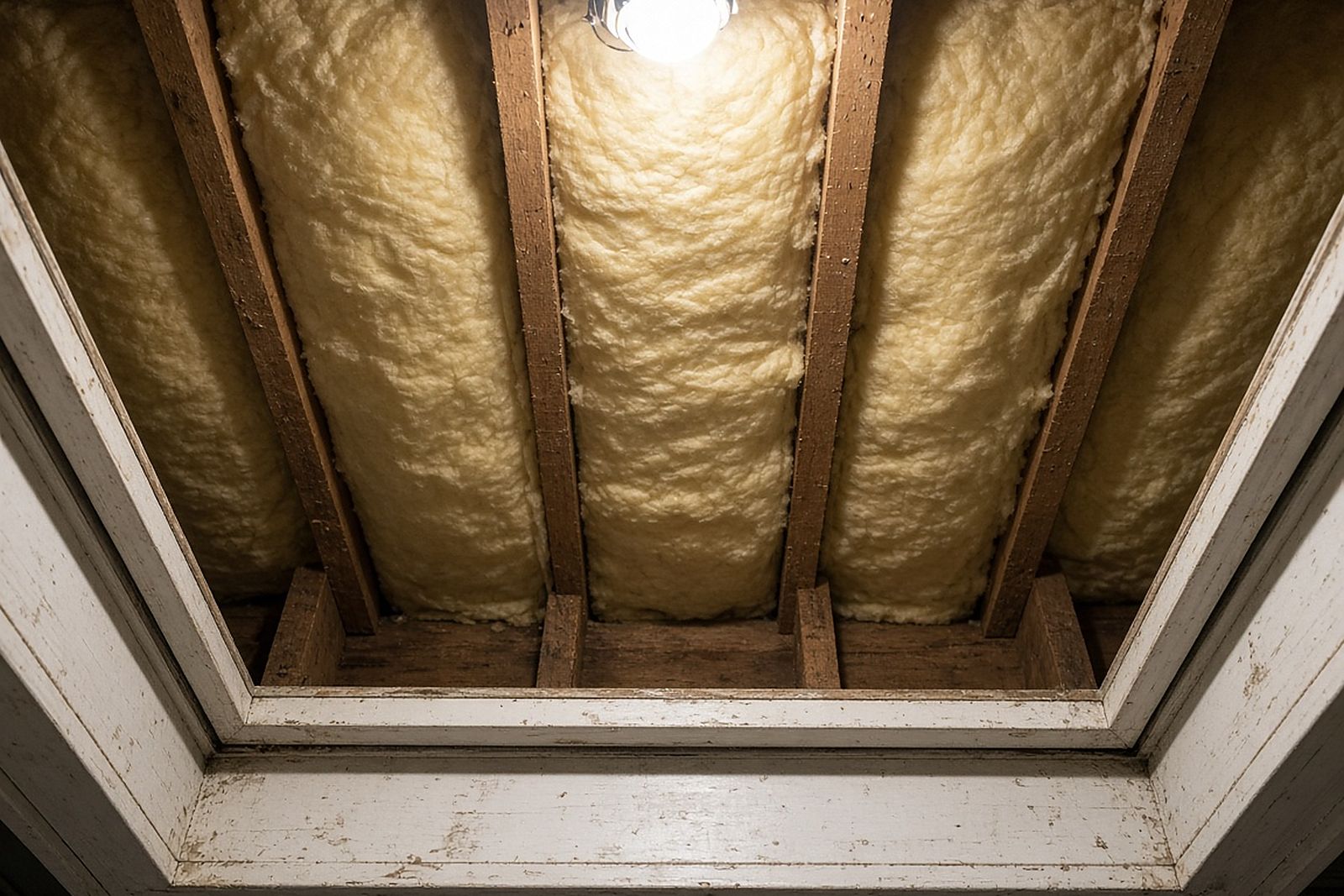
After removal, the exposed surfaces, such as joists, drywall backing, and sheathing, are cleaned and disinfected. Odor control or encapsulation may follow. Then new insulation is installed, which may be done by the same company or a separate installer.
Each of these tasks is manageable on its own, but together they can turn a job into a multi-day project. Weather and attic temperatures can also affect scheduling, since crews need safe working conditions.
Other damage can surface once insulation is out. Gnawed wiring, crushed ductwork, torn vapor barriers, and stained drywall are easier to see when the attic floor is exposed. Electrical issues should be reviewed by a licensed electrician before new insulation covers them again, and that review may need its own appointment.
A typical sequence from first call to new insulation
A common pattern starts with scratching in a bedroom ceiling and droppings in the garage or behind the stove. The inspection finds an active population in the attic, soiled insulation over part of the house, and gaps where the roofline meets the garage.
The first visit covers the inspection and the start of trapping. Over the following days or weeks, the provider checks traps and seals the roofline gaps, along with smaller openings such as the gap where a gas line enters the kitchen wall.
Once activity stops, the crew returns for the attic: containment, insulation removal, cleaning and disinfecting the exposed surfaces, and odor treatment. The garage and kitchen are cleaned in the same visit or a separate one, and new insulation goes in last. The whole job becomes several appointments spread over a period set largely by how fast trapping concludes.
Can anything make the process faster?
Some delays are unavoidable, but you can reduce many of them. Book the inspection promptly once you notice signs, because a small population is quicker to remove than an established one. Clear stored boxes and belongings away from the attic hatch, garage walls, and under-sink cabinets so the crew can reach them.
Make decisions quickly. If the provider recommends insulation removal or additional exclusion work, approving it promptly keeps the next phase on schedule. If you need a separate insulation installer, line them up early.
Keep food sealed, clean up crumbs, and store pet food in closed containers. Reducing food sources helps trapping succeed faster. If you rent, check your lease and ask your landlord in writing who is arranging each phase, since the lease or local housing code may make the landlord responsible for pest control and repairs.
- Call early before a small problem becomes an established one.
- Clear access to attics, crawlspaces, and cabinets.
- Approve recommended phases promptly.
- Reduce food and water sources during trapping.
What should you watch for after the work is finished?
After remediation, keep an eye out for new droppings, gnaw marks, or sounds in walls or ceilings. Sealed gaps can be reopened by determined rodents, and new gaps can appear over time. Many providers offer a follow-up check or a warranty on exclusion work; ask what yours includes.
Pay attention to your health, too, because rodent-borne illness does not always show up right away. If you or anyone in your household develops fever, fatigue, muscle aches, or breathing difficulty in the weeks after exposure, contact a healthcare provider and tell them about the rodent activity.
A rodent problem handled in the right order, with patience at each phase, is far more likely to stay solved.