Short answer
To research waste rules for rodent droppings remediation, sort the debris into streams: disinfected droppings and nests, contaminated insulation and building materials, dead animals, and leftover chemicals. Rodent debris from homes is usually handled as household or construction waste once disinfected and double-bagged, but local rules, hauler policies, and pesticide label disposal directions all apply. Check your city or county before you fill a dumpster.
Does EPA have a rule for rodent droppings waste?
Not a specific one. Rodent droppings, nests, and contaminated debris from homes are not a named federal waste category. The federal hazardous waste system focuses mostly on chemical wastes, and household waste is largely excluded from those rules. Rodent debris usually ends up governed by state and local solid waste rules instead.
Where EPA does come in is through product labels. Federal law (FIFRA) requires all pesticides, including disinfectants, sold or distributed in the United States to be registered by EPA, according to EPA's 2025 overview of pesticide registration. Rodenticides fall under the same system, and their labels include storage and disposal directions. Those directions are part of what makes the product legal to use, so they deserve attention at the end of a job.
The office that actually answers the disposal question is usually your city or county solid waste department, along with whoever hauls your trash. The approach below helps you figure out what applies to each type of material coming out of your attic, crawlspace, or garage.
Businesses should look a little further. A restaurant, warehouse, or farm that generates rodent debris may be treated differently from a household, and commercial waste contracts often have their own acceptance terms. If the cleanup happens at a workplace, ask your commercial hauler before assuming household rules apply.
Five waste streams from a rodent cleanup
Thinking in streams keeps disposal organized. Each type of material has a slightly different path, and mixing them makes the job harder to document and sometimes harder to haul away.
A small pantry cleanup may produce only the first stream: a single bag of paper towels and droppings. A large attic job can produce every stream on the list, sometimes in volumes that need a roll-off container.
Keeping streams separate also helps if you are paying by weight or by container. Clean stored items that can be salvaged should be pulled aside before debris removal begins, so they are not bagged and thrown away by accident along with the contaminated material.
- Disinfected droppings, urine-soaked paper towels, and nesting material.
- Contaminated insulation, drywall, carpet, or stored boxes.
- Dead rodents, traps, and bait station contents.
- Used protective gear such as gloves, coveralls, and respirator filters.
- Leftover disinfectant, rodenticide, and their empty containers.
Preparing droppings and nests for disposal
Preparation matters more than the final destination. The goal is to make sure the material is disinfected and sealed before it leaves the work area, so nobody downstream is exposed to dust.
Droppings, urine spots, and nests are sprayed until thoroughly wet with a registered disinfectant or a freshly mixed bleach solution and left for the full contact time. After soaking, the material is wiped up with paper towels, placed in a plastic bag, sealed, and placed into a second bag. Double-bagging reduces the chance of a tear releasing debris.
Waiting before disposal is not a substitute for disinfection, and letting bags sit in a warm garage does not make them safe to open. Treat the material as potentially infectious until it has been soaked and sealed.
Where does contaminated insulation go?
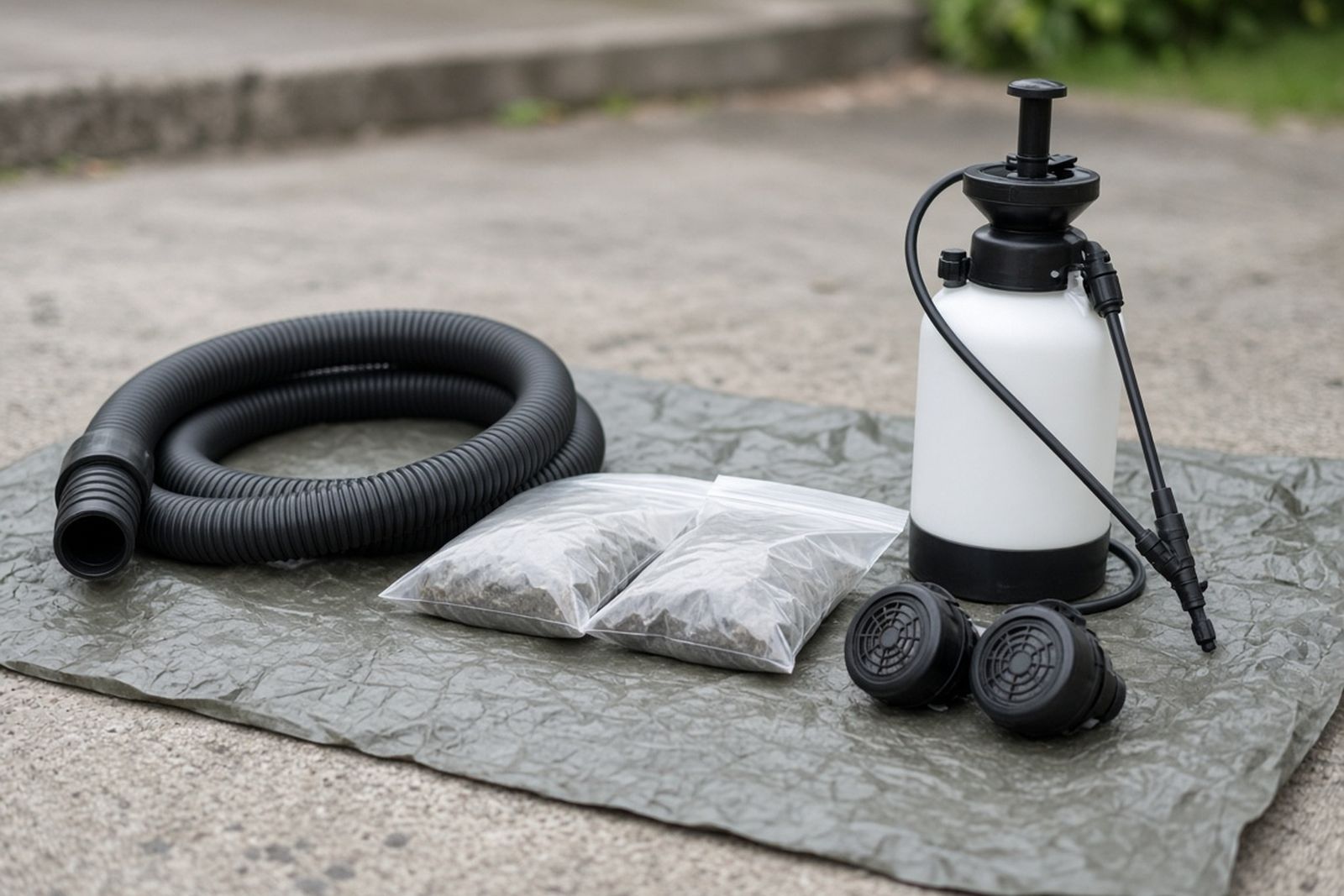
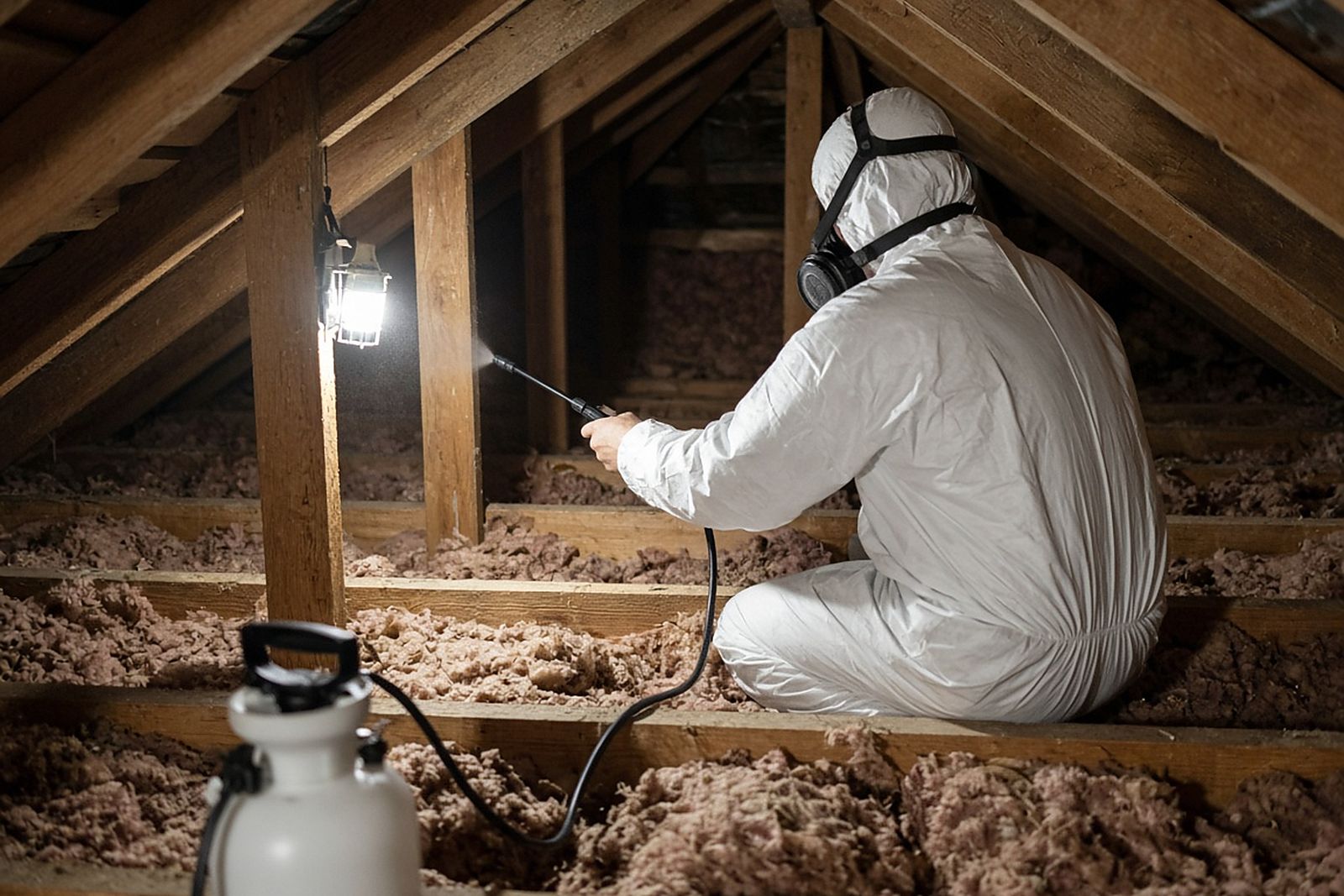
Insulation is usually the largest volume. Blown-in insulation is often removed with a high-powered vacuum system that collects it directly into large bags. Batts are rolled, misted, and bagged. Either way, the bags are sealed before they are carried through the home.
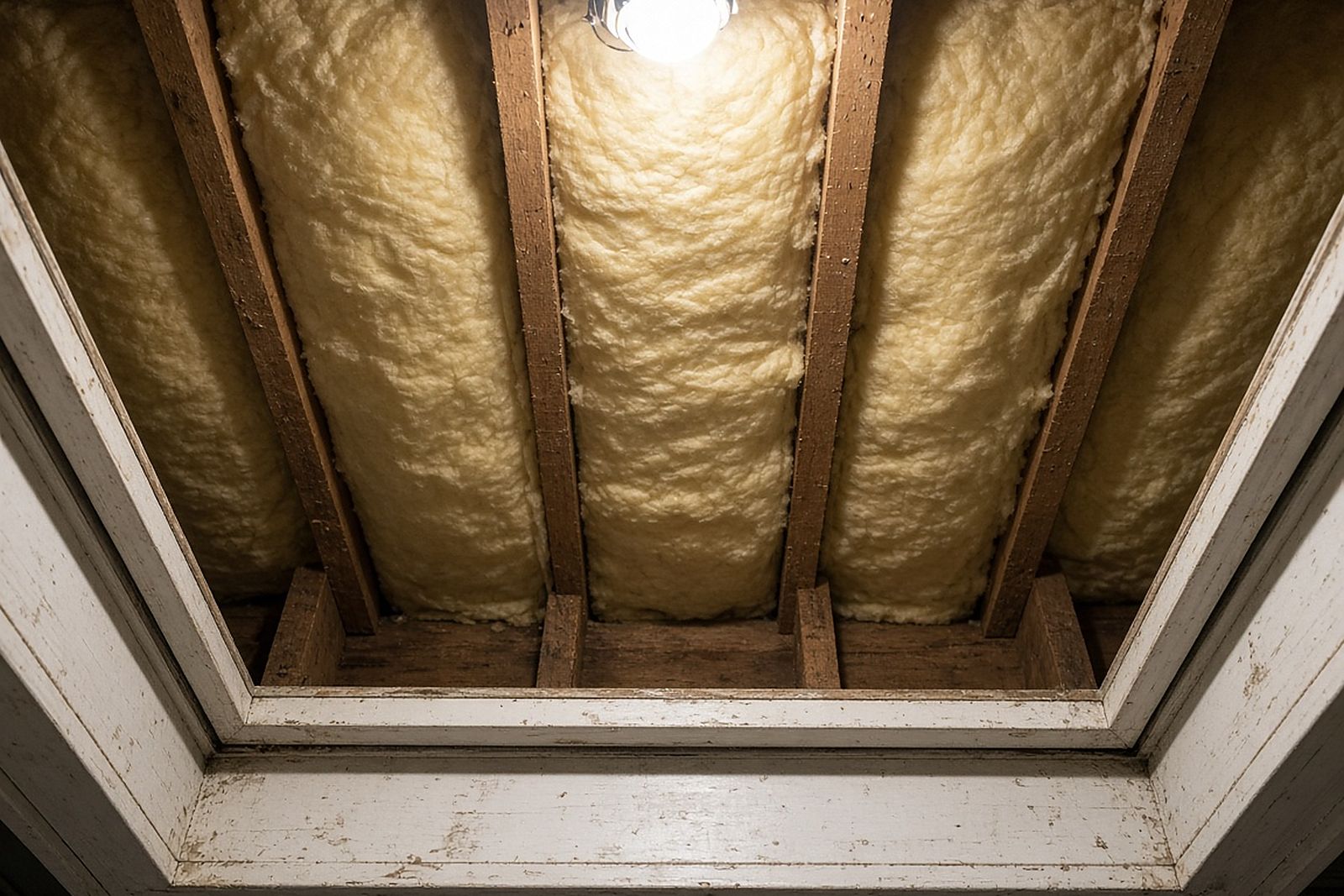
Most areas treat rodent-contaminated insulation from homes as construction and demolition debris or household waste, but local landfills and haulers set their own acceptance rules. Some want insulation bagged and labeled. Others limit how much can go in a residential cart. A roll-off container company may ask what is going in before it delivers the bin.
Older homes add one more question. Some vintage insulation types, such as vermiculite, may contain asbestos. If there is any doubt, have the material tested before removal, because asbestos brings a separate set of rules and licensed contractors.
Ask your provider how bags will travel through the house. Carrying sealed bags along a path covered with plastic sheeting, or passing them out through an attic vent or window when practical, keeps dust off carpets and stairs. Sealed bags staged outdoors should be protected from rain and animals until they are hauled away.
Dead animals, bait, leftover chemicals, and used gear
Dead rodents should be sprayed with disinfectant, picked up with gloved hands or a tool, and double-bagged like the rest of the debris. Snap traps can be disinfected and reused or discarded. Many local waste programs allow bagged small dead animals in household trash, but some ask for specific handling, so check your city or county's instructions.
Rodenticide is a different matter. Unused bait and empty bait containers should be handled according to the product label, which usually addresses both storage and disposal. Leftover bait should never be tossed loose in a yard or trash bin where children, pets, or wildlife could reach it.
If a pest control company placed the bait, that company should remove its stations and handle the product. Ask them to confirm how the bait was disposed of.
Pets deserve a special mention here. Dogs and cats can be drawn to dead rodents and bait, and a rodent that ate poison can harm an animal that eats it. Check yards and outbuildings for carcasses after a baiting program, and keep pets out of work areas until debris is gone.
Used gloves, coveralls, and filters from a rodent cleanup are typically bagged with the rest of the contaminated debris. Reusable respirators are cleaned and disinfected; the filters are discarded according to the manufacturer's instructions.
Leftover disinfectant should follow the label's disposal directions. Mixed bleach solutions lose strength over time and are generally meant to be mixed fresh. Never combine leftover bleach with other cleaners in a single container, because some combinations release dangerous gases.
Concentrated products and partially used containers may be accepted at household hazardous waste events in your area. Check the event's accepted-items list before you bring them.
Empty disinfectant and pesticide containers are not always simple recyclables. Many labels give specific rinsing or disposal directions for the empty container. Follow them, and when a label says not to reuse the container, do not repurpose it for water, garden products, or storage.
Splitting the work between you and a provider
Seasonal cabins and long-closed outbuildings often produce a mixed job: a kitchen with droppings on the counters and a few dead mice under the sink, plus a crawlspace with nesting throughout the insulation. Many owners clean the small, open area themselves and hire a provider for the confined space.
If you take the kitchen, ventilate first, soak droppings with a fresh bleach solution or registered disinfectant, and double-bag the paper towels, carcasses, and anything soft you decide not to save, such as a mattress with a nest in it. Check your transfer station's website before loading the car, since some charge a fee for bulky items.
For the crawlspace, ask the provider to confirm where the bagged insulation will go and to give you a disposal receipt. Make sure the pest control company removes its bait stations. Keep the receipts together so you can show later what was done.
While you wait, and what to ask your hauler
If you are waiting for an answer from your hauler or county, keep contaminated debris disinfected, double-bagged, and stored somewhere secure and out of reach of children and pets, such as a closed garage or a lidded outdoor bin. Do not leave open bags in a shed where new rodents could get into them.
Record what you did as you go. A note of the date, the materials removed, where they went, and any receipts takes only a few minutes and becomes useful if you sell the home, file a claim for related damage, or need to show a landlord or tenant how the problem was handled.
When in doubt, ask. A clear answer from your local solid waste office or a qualified remediation provider is worth more than an assumption, and it helps make sure the cleanup protects everyone who handles the waste after it leaves your property.
A quick call or website check prevents rejected loads and surprise fees. It also gives you a clear answer to share with a contractor.
If you are hiring a provider, ask them to explain how they will handle each stream and where it will go. Many experienced providers already know the local rules and can take care of disposal as part of the job.
- Do you accept double-bagged rodent debris in household trash or carts?
- Is contaminated insulation accepted, and does it need to be bagged or labeled?
- Are there special instructions for small dead animals?
- Which household hazardous waste events accept leftover disinfectant or pesticide?
- Is there a size or weight limit for a single pickup?