Short answer
Usually not. Standard homeowners policies commonly exclude damage from rodents and vermin because infestations build gradually and are considered preventable. The cleanup of droppings, nests, and soiled insulation is typically your expense. A claim may still be possible for a sudden covered event that rodents set off, such as a fire from chewed wiring or a water leak, depending on your policy wording.
Why insurers treat rodents differently
Mice and rats rarely arrive in a single dramatic moment. They move in through a gap by the dryer vent or a loose soffit, nest in the insulation, and multiply over weeks or months. By the time you notice droppings along the attic joists or smell urine in a closet, the problem has been growing quietly for a while. Insurance is designed around sudden, accidental loss, and a slow infestation does not look like one.
Carriers are direct about this. Progressive states that damage caused by mice and rat infestations generally is not covered by a standard homeowners policy because it is considered preventable. Most major policy forms include some version of a vermin or pest exclusion, and it usually applies to both the damage and the cleanup.
Policy forms and endorsements differ by insurer and by state, so the exact exclusion wording in your own policy, and a direct question to your agent, matter more than any general rule.
Costs that usually stay with you
Expect the core remediation work to be an out-of-pocket cost. That includes the pieces that make up most rodent cleanup jobs, which are exactly the tasks insurers view as maintenance or the result of a preventable condition.
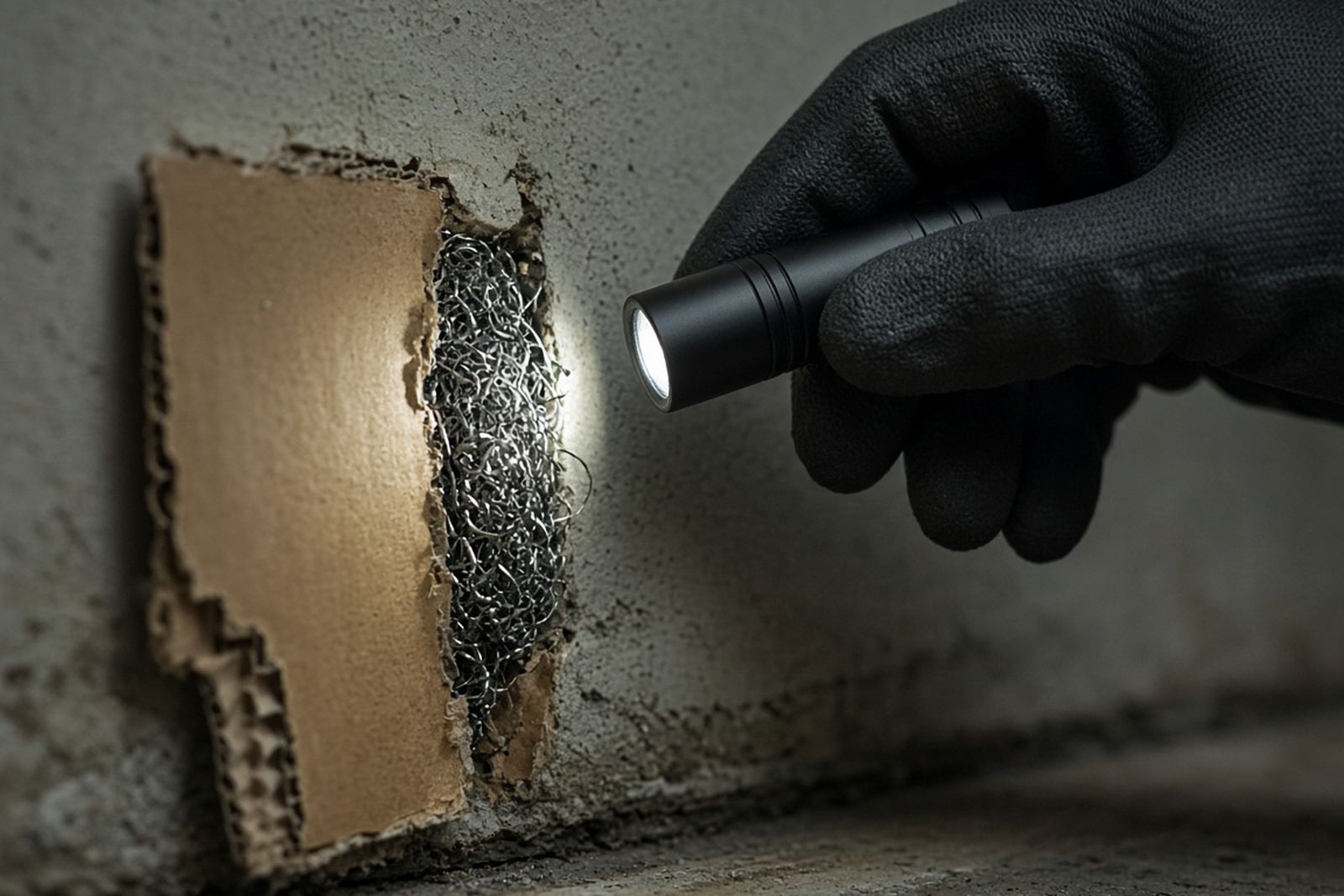
- Trapping, exclusion work, and sealing entry points.
- Removing droppings, nesting material, and dead rodents.
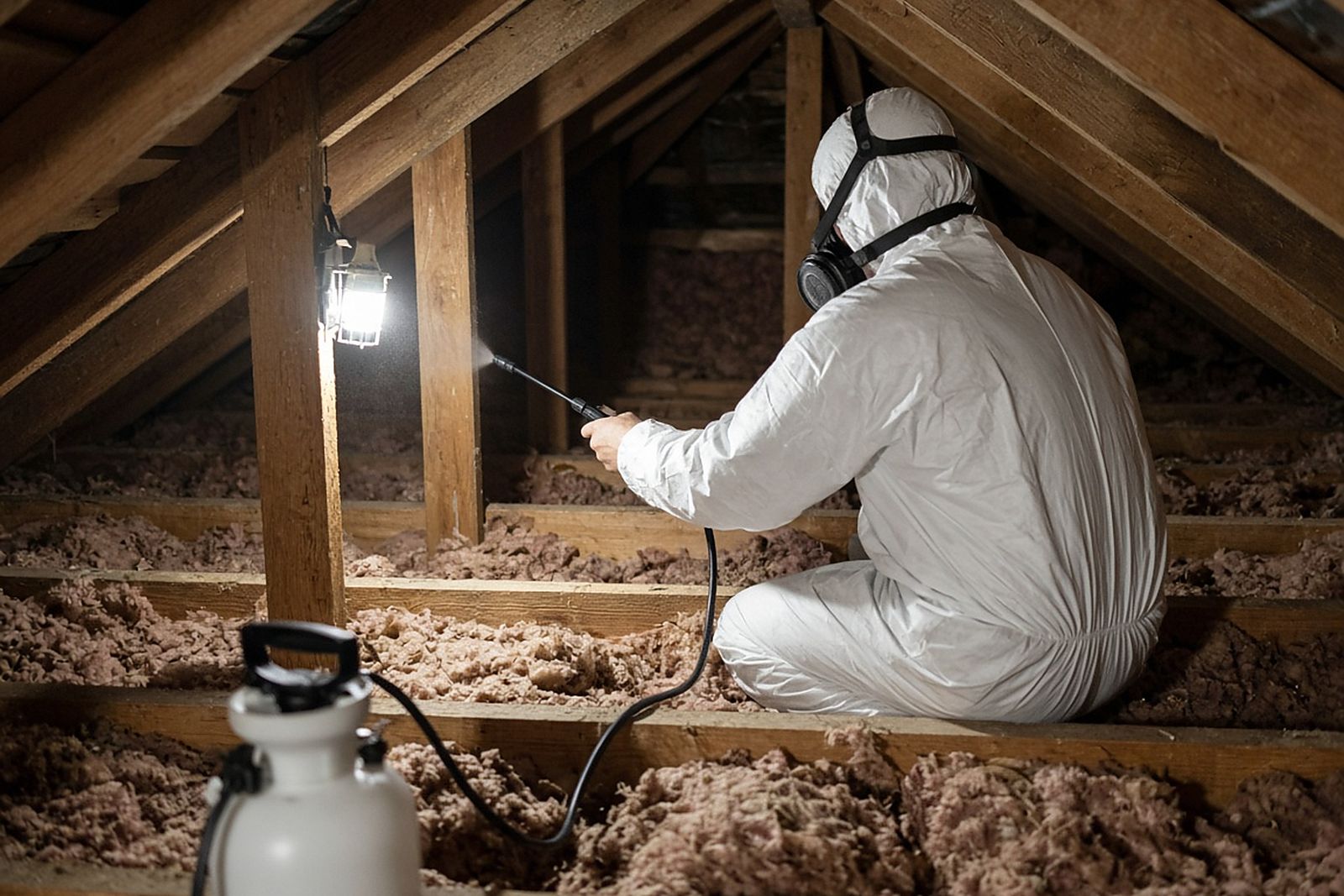
- Disinfecting surfaces soiled by urine and feces.
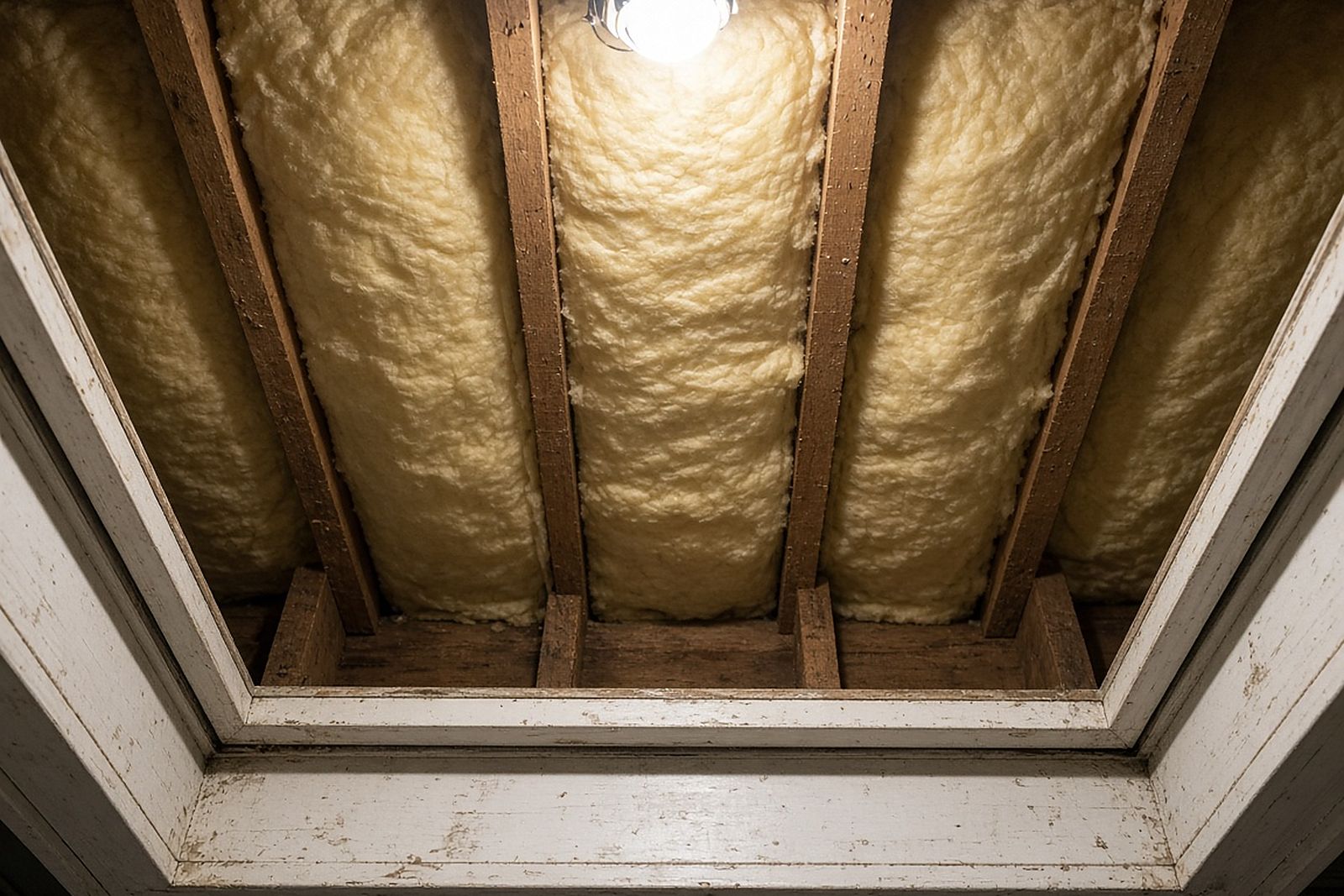
- Removing and replacing contaminated attic or crawlspace insulation.
- Odor treatment and replacing chewed ductwork or vapor barriers.
When could a rodent-related loss still lead to a claim?
The exclusion typically targets damage the rodents cause directly. It does not always extend to a separate covered peril that the rodents happen to trigger. The classic example is fire: if mice chew through the insulation on a wire, and that wire later sparks a fire in the wall, many policies treat the fire as a covered loss even though the chewing itself is excluded.
Water is a similar case. Rats gnawing through a plastic supply line can cause a sudden leak that soaks drywall and flooring. The water damage might be evaluated under the sudden-and-accidental water provisions, while the chewed line and the rodent cleanup stay excluded. How an adjuster draws that line varies, and some policies have anti-concurrent causation language that narrows it further.
If you are in one of these situations, report the covered event promptly and be honest that rodents were involved. Trying to hide the cause usually creates bigger problems than the exclusion itself.
Some carriers also sell optional endorsements for specific systems, such as equipment breakdown or service line coverage, that may respond to a rodent-caused failure in a way the base policy does not. These add-ons are not universal and their terms differ, so ask your agent whether any are on your policy before you assume the answer.
Does it matter how long the infestation went unnoticed?
It can matter a lot. Policies generally expect you to maintain the property and act reasonably once you know about a problem. If an adjuster sees heavy, layered droppings, extensive nesting, and old gnaw marks, they may conclude the condition was long-standing and neglected. That can hurt even the parts of a claim that might otherwise have been covered.
This does not mean you did something wrong. Attics, crawlspaces, and wall voids are places most people never look. Still, if you suspect activity, acting quickly helps both your health and any future conversation with your insurer. A dated invoice showing you hired exclusion and cleanup promptly is useful evidence that you took reasonable steps.
Landlords and tenants
Rental properties add a layer of legal responsibility on top of the insurance question. Many states treat freedom from rodent infestation as part of basic habitability. California, for example, lists rodents and vermin among the conditions landlords must keep rental premises free of under Civil Code 1941.1. Other states have their own versions, and local housing codes often add more detail.
For landlords, that means rodent cleanup in a rental is usually an operating cost and a legal duty, not something a dwelling policy is likely to absorb. For tenants, a renters policy generally will not pay to remove droppings from the unit, though it may respond if rodents trigger a covered event that damages your belongings, such as a fire. Tenants should report infestations to the landlord in writing and keep a copy.
Are belongings ruined by mice or rats ever covered?
Stored items are one of the most painful parts of a rodent problem. Boxes of photographs in the garage, clothing in a basement closet, or a mattress in a storage room can be chewed, nested in, and soaked with urine. Unfortunately, the same vermin exclusion that applies to the structure usually applies to personal property too, so a claim for contaminated belongings rarely succeeds on its own.
There are narrow exceptions. Some policies with broader personal property coverage, or scheduled items endorsements for valuables, may read differently. Items damaged by a covered fire or water event that rodents triggered may also be treated as part of that covered loss. Read the personal property section of your policy, not just the dwelling section, because the wording is not always identical.
For everything else, sort items into three groups: hard, nonporous things that can be cleaned and disinfected; porous items that are heavily soiled and should be bagged and discarded; and sentimental items you want a professional to assess. Wear gloves, wet down any droppings with disinfectant before touching them, and never shake out a box or blanket that has nesting material in it.
Illustration: attic droppings and a scorched junction box
The following is an illustrative case, not a real claim. During a routine check before winter, you go into the attic to pull out holiday decorations and see mouse droppings scattered along the joists, shredded insulation near the eaves, and a nest tucked beside a ceiling light housing. Looking closer, you notice that the cable jacket near a junction box has been chewed and there is a small scorch mark on the wood.
Here is how the pieces might sort out. The droppings, nest, soiled insulation, and exclusion work are almost certainly excluded under a standard vermin clause. The scorch mark is different. No fire spread, so there may be nothing to claim, but if an electrician finds that a short damaged the ceiling or the fixture, that fire-related damage could be worth reporting.
In this scenario, the practical order is to stop disturbing the attic, arrange an electrician to make the wiring safe, and schedule a rodent remediation provider who uses wet cleaning methods rather than sweeping. Then call your agent with a specific question about the fire-related damage, and keep the electrician's written findings.
Document before cleanup begins
Even when you expect to pay yourself, photos and notes are worth the effort. They support any related claim, they help a remediation provider scope the job, and they give you a baseline if activity comes back. Take pictures without stirring up droppings or insulation, and do not stay in an enclosed, heavily soiled space longer than necessary.
- Wide photos of each affected area, then close shots of droppings, nests, and gnaw marks.
- Any damaged wiring, pipes, ducts, or vapor barrier, with the date noted.
- The electrician's or plumber's report if a related system failed.
- Remediation estimates that separate exclusion, cleanup, insulation, and repairs into line items.
- Written notes of any conversation with your agent, including names and dates.
How can you keep the cost manageable if insurance does not help?
Start with exclusion. Cleaning an attic while mice are still moving in and out means paying twice. Ask any provider to explain how they will find and seal entry points, and in what order they will do exclusion and cleanup.
Next, ask whether all of the insulation truly needs to come out or whether localized removal is possible. Heavily soiled insulation is not something to save, but a provider should be able to explain what they saw and why they are recommending full or partial removal. Get the recommendation in writing so you can compare quotes fairly.
Finally, protect your health while you decide. Keep children and pets out of affected areas, and do not sweep or vacuum droppings, which can put contaminated particles into the air. If you or someone in your home develops fever, muscle aches, or breathing trouble in the weeks after being around rodent droppings, contact a healthcare provider and mention the exposure.
Once the work is finished, ask the provider for a short written summary of what they sealed, removed, and treated, along with photos. Keep it with your home records. If you sell the house, refinance, or face another rodent issue years later, that summary shows a buyer, inspector, or adjuster that the earlier problem was handled properly rather than ignored.